Every year, millions of people experience the discomfort of flu, persistent coughs, and bronchitis. These respiratory illnesses can leave you feeling exhausted, congested, and unable to enjoy your daily life.
While most cases improve with rest and supportive care, natural remedies can help relieve symptoms, support the immune system, and promote faster recovery alongside appropriate medical advice. Acute bronchitis is most often caused by viruses, meaning antibiotics are usually not helpful unless a bacterial infection is present.
At L’Essentiel de Maryline, we believe in combining nature’s wisdom with healthy lifestyle habits to help your body recover naturally.
Understanding the Difference Between Flu, Cough, and Bronchitis
Although these illnesses share similar symptoms, they are not the same.
Influenza (Flu)
The flu is a viral infection that affects the respiratory system.
Common symptoms include:

- High fever
- Chills
- Muscle pain
- Fatigue
- Headaches
- Dry cough
- Sore throat
- Nasal congestion
Cough
A cough is not a disease but a symptom.
It helps remove:
- Mucus
- Dust
- Allergens
- Germs
- Irritants
Coughs may be:
- Dry cough
- Productive cough
- Persistent cough
- Nighttime cough
Bronchitis
Bronchitis occurs when the bronchial tubes become inflamed.
Symptoms include:
- Persistent coughing
- Thick mucus
- Wheezing
- Chest tightness
- Mild fever
- Shortness of breath
Acute bronchitis often develops after a cold or flu and generally resolves on its own with supportive care.
Why Your Immune System Matters
A strong immune system helps your body:
- Fight viruses
- Reduce inflammation
- Recover faster
- Prevent complications
- Maintain healthy lungs
Natural wellness begins with supporting your body’s own defenses.
Natural Remedies That May Help
1. Stay Hydrated
Water helps:
- Thin mucus
- Soothe irritated airways
- Prevent dehydration
- Support healing
Try drinking:
- Warm water
- Herbal teas
- Lemon water
- Warm broths
2. Get Plenty of Rest
Sleep allows your immune system to repair itself.
Aim for:
- 7–9 hours of quality sleep
- Short naps when needed
- Reduced physical activity during illness
3. Honey for Cough Relief
Honey has long been used to calm sore throats and ease coughs.
Benefits include:
- Coating irritated throat tissues
- Reducing nighttime coughing
- Providing natural antioxidants
Do not give honey to infants under 1 year old.
4. Steam Inhalation
Warm steam may help:
- Loosen mucus
- Ease congestion
- Improve breathing
- Soothe irritated airways
A humidifier or warm shower can also help relieve respiratory discomfort.
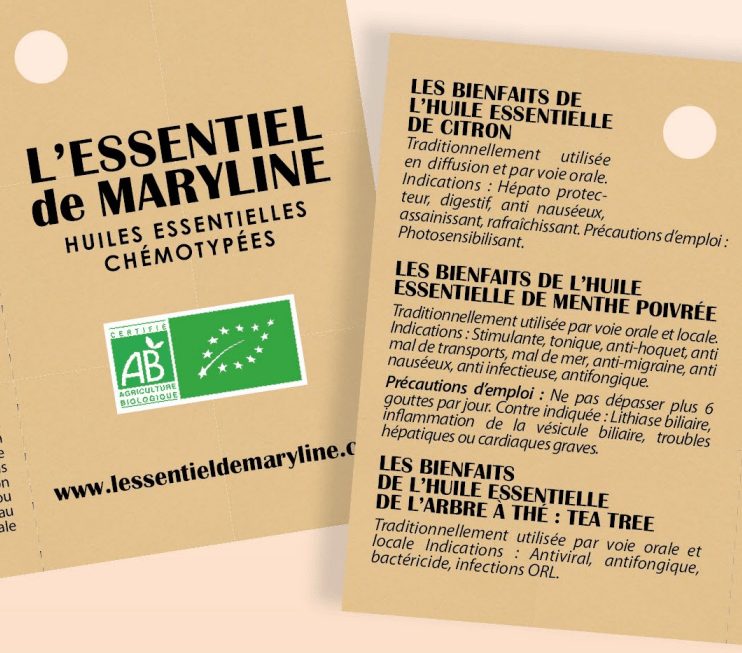
5. Essential Oils
When used safely and appropriately, some essential oils are traditionally used to support respiratory comfort.
Examples include:
- Eucalyptus
- Ravintsara
- Tea Tree
- Peppermint
- Pine
- Niaouli
Always dilute essential oils and follow professional guidance before use.
6. Herbal Remedies
Many herbs have traditionally been used to support respiratory wellness.
Popular options include:
- Thyme
- Ginger
- Elderberry
- Licorice Root
- Mullein
- Marshmallow Root
These herbs may help soothe irritated airways and support overall comfort.
7. Warm Salt Water Gargle
A simple saltwater gargle may help:
- Reduce throat irritation
- Ease discomfort
- Remove mucus
- Freshen the mouth
Foods That Support Recovery
Eating nutrient-rich foods helps your body recover more efficiently.
Choose foods rich in:
Vitamin C
- Oranges
- Kiwi
- Strawberries
- Bell peppers
Zinc
- Pumpkin seeds
- Lentils
- Chickpeas
- Nuts
Vitamin D
- Fatty fish
- Eggs
- Fortified dairy
Antioxidants
- Berries
- Spinach
- Broccoli
- Green tea
Foods to Limit
During illness, consider limiting:
- Sugary drinks
- Alcohol
- Fried foods
- Ultra-processed foods
- Smoking and tobacco exposure
Lifestyle Tips for Faster Recovery
Healthy habits can make a big difference.
Practice Good Hygiene
- Wash hands regularly
- Cover coughs and sneezes
- Disinfect frequently touched surfaces
Keep Indoor Air Comfortable
Dry air can worsen coughing.
Helpful strategies:
- Use a humidifier
- Avoid smoke exposure
- Keep rooms well ventilated
Avoid Overexertion
Give your body enough time to heal before returning to intense physical activity.
When Should You Seek Medical Care?
Natural remedies can support symptom relief, but some situations require prompt medical evaluation.
Consult a healthcare professional if you experience:
- Difficulty breathing
- Chest pain
- High fever that persists
- Symptoms lasting longer than three weeks
- Coughing up blood
- Worsening symptoms after initial improvement
- Severe illness in older adults, young children, pregnant people, or those with chronic medical conditions
Preventing Future Respiratory Infections
Reduce your risk by:
- Eating a balanced diet
- Exercising regularly
- Sleeping well
- Managing stress
- Staying hydrated
- Washing hands frequently
- Avoiding smoking
- Following recommended vaccinations where appropriate
Discover Natural Wellness with L’Essentiel de Maryline
Our comprehensive guide explores:
✔ Natural approaches for respiratory wellness
✔ Safe use of essential oils
✔ Herbal support for seasonal illnesses
✔ Immune-supportive lifestyle habits
✔ Practical tips for cough, flu, and bronchitis recovery
Designed to help you embrace natural living with confidence.
Conclusion
Flu, cough, and bronchitis can be challenging, but with proper rest, hydration, nutritious foods, healthy habits, and carefully chosen natural remedies, many people recover comfortably while supporting their body’s natural healing process. Remember that persistent or severe symptoms should always be assessed by a qualified healthcare professional.
Natural Health Expert
Author of 3 Health Books
More than 20 Years of Professional Experience
University Diplomas in Aromatherapy, Phytotherapy, Nutrition and Aging
Founder of a Qualiopi-Certified Training Organisation.