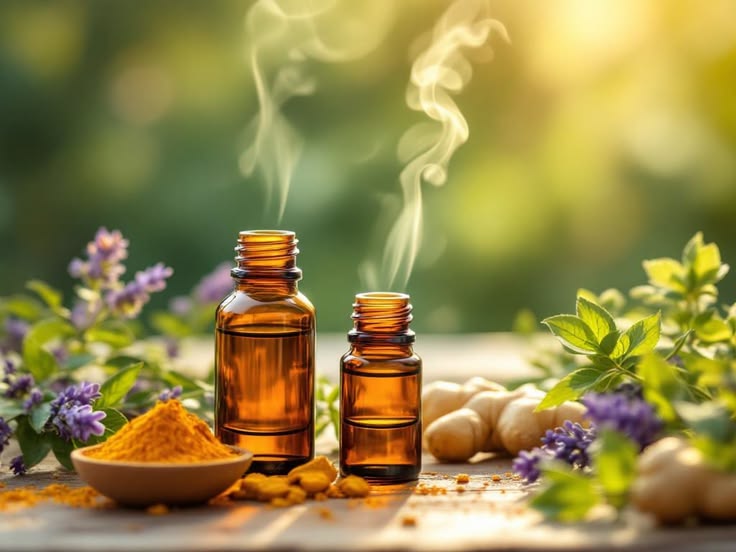
Essential oils have become increasingly popular in natural wellness, aromatherapy, skincare, and holistic health practices. Extracted from plants, flowers, herbs, and fruits, these highly concentrated oils offer numerous benefits when used correctly. However, because of their potency, it is essential to understand the proper precautions before incorporating them into your daily routine.
Using essential oils without adequate knowledge can lead to skin irritation, allergic reactions, respiratory discomfort, or other unwanted side effects. Following proper safety guidelines helps ensure that you enjoy the benefits of essential oils while minimizing risks.
Why Essential Oil Safety Matters
Essential oils are highly concentrated plant extracts. In many cases, a single drop may contain powerful botanical compounds derived from a large quantity of plant material. Because of this concentration, improper usage can cause adverse reactions, especially for individuals with sensitive skin, allergies, medical conditions, children, or pets.
Understanding safe application methods, proper dilution, and storage practices is crucial for maintaining a positive wellness experience.
1. Always Dilute Essential Oils Before Use
One of the most important precautions when using essential oils is proper dilution. Applying undiluted essential oils directly to the skin may increase the risk of irritation, redness, burning sensations, or allergic reactions.
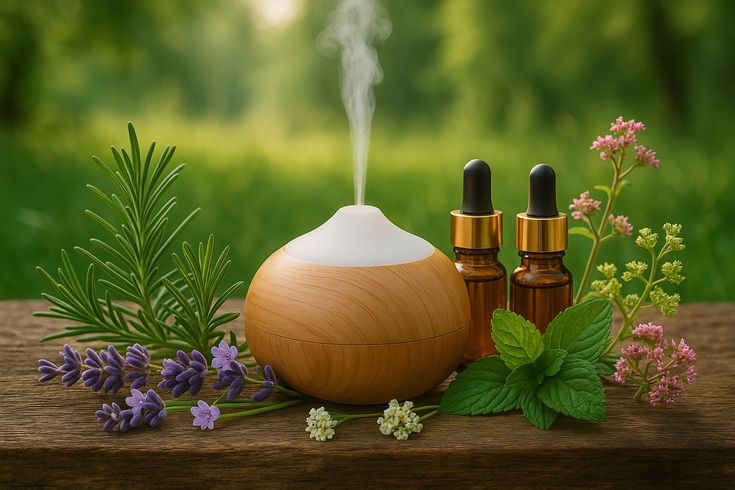
Common Carrier Oils
- Coconut Oil
- Jojoba Oil
- Sweet Almond Oil
- Olive Oil
- Argan Oil
- Grapeseed Oil
Recommended Dilution Guidelines
| Application | Dilution Rate |
|---|---|
| Face Care | 0.5% – 1% |
| Daily Body Use | 1% – 2% |
| Massage Therapy | 2% – 3% |
| Spot Treatment | Up to 5% |
Proper dilution helps reduce skin sensitivity while allowing effective absorption of the essential oil.
2. Perform a Patch Test Before First Use
Before applying any essential oil blend to a larger area of the body, conduct a patch test.
How to Perform a Patch Test
- Dilute the essential oil with a carrier oil.
- Apply a small amount to the inner forearm.
- Cover the area if desired.
- Wait 24 hours.
- Observe for redness, itching, swelling, or irritation.
If any reaction occurs, discontinue use immediately. Patch testing is especially important for individuals with sensitive skin or allergies.
3. Avoid Direct Contact with Eyes and Sensitive Areas
Essential oils should never be applied directly to:
- Eyes
- Inside the nose
- Ears
- Mouth
- Sensitive skin areas
- Mucous membranes
If accidental contact occurs, avoid using water. Instead, use a carrier oil to dilute and remove the essential oil before washing gently.
4. Be Careful with Photosensitive Oils
Certain citrus-based essential oils can increase skin sensitivity to sunlight and UV exposure.
Common Photosensitive Oils
- Lemon
- Lime
- Bergamot
- Orange
After applying these oils to the skin, avoid direct sun exposure for at least 24 hours to reduce the risk of burns, discoloration, or skin irritation.
5. Use Caution During Pregnancy and Breastfeeding
Pregnant and breastfeeding women should consult a qualified healthcare professional before using essential oils.
Some oils may not be suitable during pregnancy due to their potential effects on hormonal balance or uterine activity. Professional guidance helps ensure safety for both mother and baby.
6. Keep Essential Oils Away from Children and Pets
Children and pets can be more sensitive to essential oils than adults.
Safety Recommendations
- Store oils in locked cabinets.
- Keep bottles out of reach.
- Use child-resistant caps when possible.
- Research pet-safe oils before diffusing.
Even small amounts may cause adverse reactions in young children or animals.
7. Never Ingest Essential Oils Without Professional Guidance
Internal use of essential oils should only occur under the supervision of a qualified professional trained in aromatherapy or healthcare.
Improper ingestion may lead to:
- Digestive irritation
- Toxicity
- Drug interactions
- Liver stress
- Allergic reactions
Many experts recommend avoiding internal use unless specifically advised by a certified practitioner.
8. Diffuse Essential Oils Responsibly
Diffusers are a popular way to enjoy aromatherapy benefits, but excessive exposure can cause discomfort.
Safe Diffusion Tips
- Diffuse for 30–60 minutes at a time.
- Ensure adequate ventilation.
- Take breaks between sessions.
- Monitor children and pets nearby.
Good airflow helps reduce respiratory irritation and prevents overexposure.
9. Store Essential Oils Properly
Proper storage preserves the quality and effectiveness of essential oils.
Storage Guidelines
- Store in dark glass bottles.
- Keep away from direct sunlight.
- Avoid excessive heat.
- Seal bottles tightly after use.
- Store in a cool, dry location.
Heat, light, and air exposure can degrade essential oils and alter their chemical composition.
10. Choose High-Quality Essential Oils
Not all essential oils available on the market are created equally.
What to Look For
- Botanical plant name listed
- Country of origin
- Purity testing information
- Transparent sourcing
- Reputable manufacturer
Since essential oils are not universally regulated, purchasing from trusted suppliers is especially important.
Signs of Essential Oil Sensitivity
Discontinue use and seek professional advice if you experience:
- Skin redness
- Burning sensation
- Rash
- Swelling
- Difficulty breathing
- Persistent headaches
- Nausea
Recognizing symptoms early can help prevent more serious reactions.
Best Practices for Safe Essential Oil Use
✔ Always dilute before topical application
✔ Perform a patch test first
✔ Store safely away from children and pets
✔ Avoid contact with eyes and sensitive areas
✔ Follow recommended diffusion times
✔ Purchase from reputable brands
✔ Seek professional guidance during pregnancy
✔ Avoid internal use without expert supervision
✔ Read usage instructions carefully
✔ Use moderation and consistency
Conclusion
Essential oils can be a valuable addition to a natural wellness lifestyle when used responsibly. Understanding the proper precautions for use of essential oils helps protect your health while maximizing their potential benefits. From dilution and patch testing to safe storage and responsible diffusion, following established safety guidelines can make your aromatherapy experience both enjoyable and effective.
Whether you are new to essential oils or an experienced user, prioritizing safety is the foundation of successful natural wellness practices.
Contact Us
For expert guidance on natural wellness solutions and premium essential oils, visit L’Essentiel de Maryline and explore a range of products designed to support your well-being naturally.