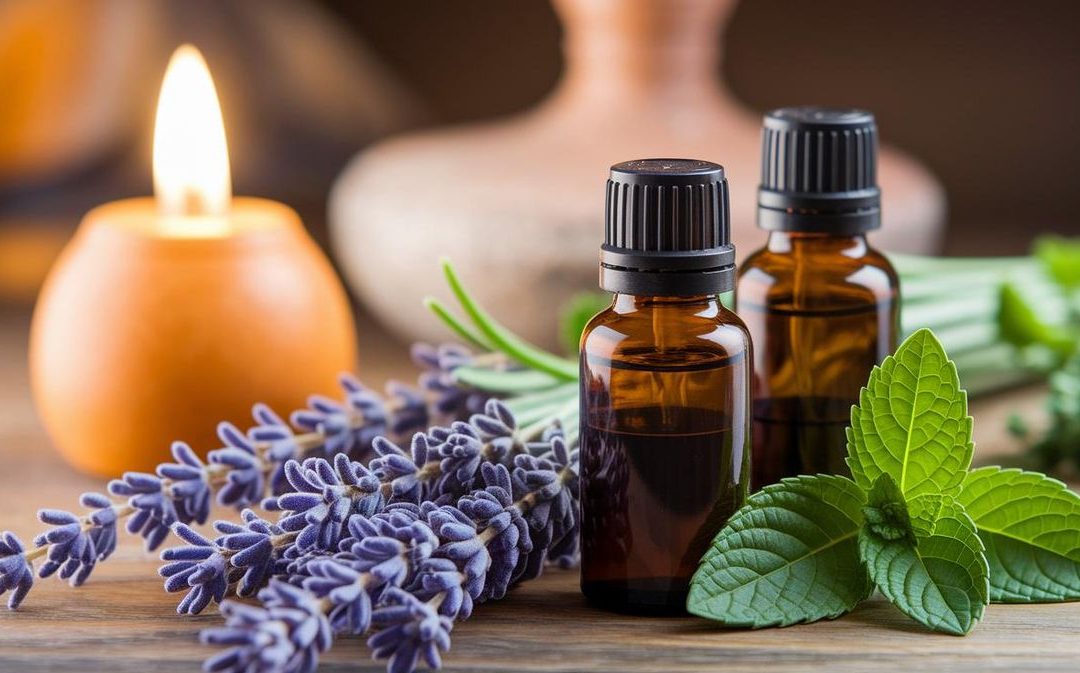
Essential oils have become a popular part of natural wellness, skincare, aromatherapy, and relaxation routines. From lavender and peppermint to eucalyptus and tea tree oil, these powerful plant extracts offer numerous benefits. However, because essential oils are highly concentrated, they must be used carefully and responsibly.
Understanding the proper precautions for use of essential oils helps protect your skin, health, and overall well-being while allowing you to safely enjoy the benefits of aromatherapy.
What Are Essential Oils?
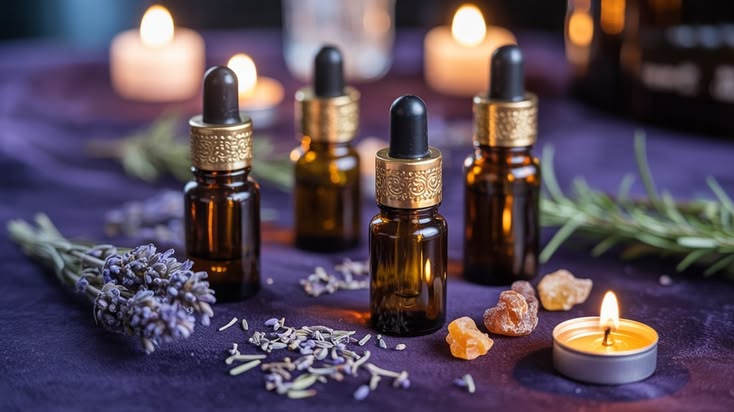
Essential oils are concentrated extracts derived from plants through steam distillation or cold pressing methods. They capture the natural aroma and active compounds of herbs, flowers, fruits, and trees.
People commonly use essential oils for:
- Relaxation and stress relief
- Massage therapy
- Natural skincare
- Hair care routines
- Home fragrance
- Wellness support
- Aromatherapy sessions
Because these oils are extremely potent, safe handling and proper usage are essential.
Why Essential Oil Safety Is Important
Many people assume natural products are always safe, but essential oils can cause reactions when misused. Incorrect application may lead to:
- Skin irritation
- Allergic reactions
- Respiratory discomfort
- Eye irritation
- Photosensitivity
- Toxicity from ingestion
- Headaches and dizziness
Following safety precautions significantly reduces the risk of side effects and ensures a better aromatherapy experience.
Essential Precautions for Use of Essential Oils
1. Always Dilute Essential Oils
Pure essential oils should rarely be applied directly to the skin. Undiluted oils may cause redness, irritation, or burns.
Recommended Carrier Oils
- Coconut oil
- Jojoba oil
- Almond oil
- Olive oil
General Dilution Guidelines
- Adults: 1–2% dilution
- Children: 0.5–1% dilution
- Sensitive skin: use lower concentrations
Dilution helps make essential oils safer and gentler for topical use.
2. Perform a Patch Test Before Use
Before trying a new essential oil, conduct a patch test.
How to Do a Patch Test
- Dilute the oil properly
- Apply a small amount to the inner forearm
- Wait 24 hours
- Check for redness, itching, or irritation
If irritation occurs, discontinue use immediately.
3. Avoid Contact with Eyes and Sensitive Areas
Never apply essential oils near:
- Eyes
- Ears
- Mouth
- Nose
- Broken skin
- Sensitive body areas
If accidental contact happens, use a carrier oil to dilute the area before rinsing.
4. Be Careful with Citrus Oils and Sunlight
Some citrus oils may cause photosensitivity, increasing the risk of sunburn.
Photosensitive Oils Include:
- Lemon oil
- Bergamot oil
- Lime oil
- Grapefruit oil
- Orange oil
Avoid direct sun exposure for 12–24 hours after applying these oils to the skin.
Essential Oils During Pregnancy
Pregnant and breastfeeding women should use essential oils cautiously.
Certain oils may not be considered safe during pregnancy, including:
- Camphor
- Pennyroyal
- Sage
- Wintergreen
- Hyssop
Always consult a healthcare professional before using essential oils during pregnancy.
Safety Tips for Children and Babies
Children are more sensitive to essential oils than adults.
Important Child Safety Tips
- Keep oils away from children
- Use very low dilutions
- Avoid peppermint around infants
- Avoid eucalyptus for young babies
- Never allow internal consumption
Professional medical advice is recommended before using oils on children.
Diffusing Essential Oils Safely
Diffusers are commonly used in aromatherapy, but moderation is important.
Safe Diffuser Practices
- Use in ventilated spaces
- Diffuse for 30–60 minutes at a time
- Keep away from pets and infants
- Stop use if irritation occurs
Overexposure may lead to headaches or breathing discomfort.
Never Ingest Essential Oils Without Expert Guidance
Internal consumption of essential oils can be dangerous without professional supervision.
Possible risks include:
- Poisoning
- Digestive irritation
- Liver damage
- Drug interactions
- Seizures
Only qualified professionals should guide internal use.
Proper Storage of Essential Oils
Correct storage preserves oil quality and prevents accidents.
Storage Recommendations
- Store in dark glass bottles
- Keep away from heat and sunlight
- Close lids tightly
- Keep out of reach of children and pets
Proper storage also helps extend shelf life.
Signs of an Allergic Reaction
Discontinue use immediately if you notice:
- Skin rash
- Swelling
- Burning sensation
- Difficulty breathing
- Dizziness
- Severe irritation
Seek medical assistance if symptoms become serious.
Best Practices for Safe Essential Oil Use
For safer aromatherapy experiences:
- Buy high-quality essential oils
- Follow recommended dilution ratios
- Research each oil carefully
- Use oils in moderation
- Consult professionals when needed
- Avoid prolonged exposure
Responsible usage helps maximize benefits while reducing health risks.
Conclusion
Essential oils can be a valuable part of natural wellness and self-care when used correctly. By understanding the precautions for use of essential oils, you can safely enjoy their aromatic and therapeutic benefits while minimizing potential risks.
Whether using oils for relaxation, skincare, or aromatherapy, always prioritize safety, proper dilution, and professional guidance when necessary.