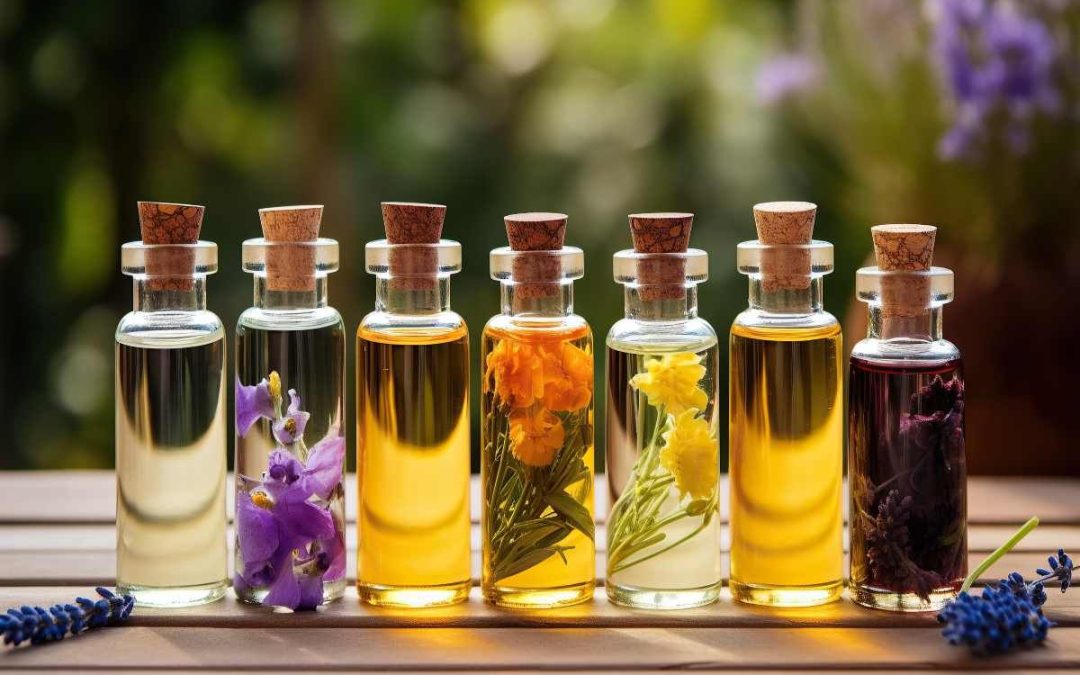
Essential oils are widely used for relaxation, stress relief, skincare, massage, and natural wellness. While these plant-based extracts offer many benefits, they are highly concentrated and must be used carefully. Understanding the proper precautions for use of essential oils helps protect your health, skin, and overall well-being.
Whether you are using lavender for relaxation, peppermint for headaches, or tea tree oil for skincare, safe usage is essential. In this guide, discover the most important safety tips, dilution methods, storage recommendations, and expert advice for using essential oils responsibly.
Explore more natural wellness resources at Lessentieldemaryline.
What Are Essential Oils?
Essential oils are concentrated plant extracts obtained from flowers, leaves, bark, seeds, or roots. They contain powerful aromatic compounds that may support relaxation, wellness, and self-care routines.
Popular essential oils include:
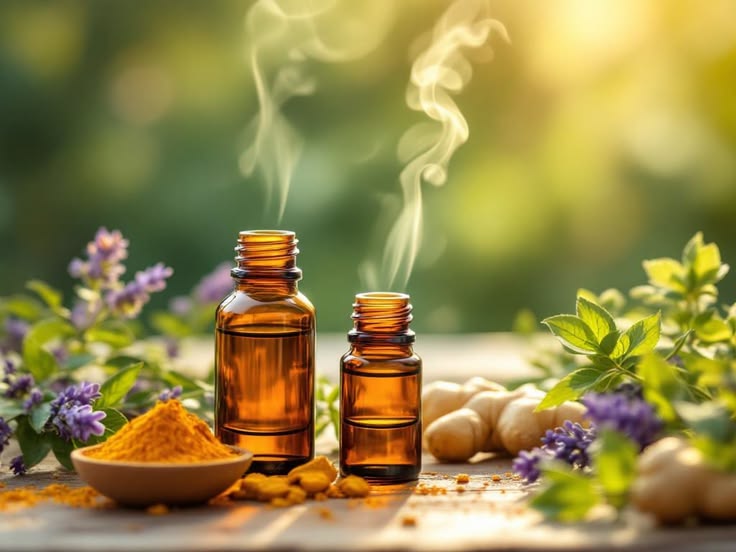
Lavender Essential Oil
Peppermint Essential Oil
Tea Tree Essential Oil
Eucalyptus Essential Oil
Lemon Essential Oil
Rosemary Essential Oil
Although natural, essential oils are very potent and should never be treated like ordinary cosmetic products.
Why Essential Oil Safety Matters
Improper use of essential oils can lead to:
- Skin irritation
- Allergic reactions
- Respiratory discomfort
- Photosensitivity
- Toxicity if swallowed incorrectly
- Harm to children or pets
Many people mistakenly believe that “natural” automatically means “safe.” However, essential oils require proper dilution, correct application, and responsible handling.
Top Precautions for Use of Essential Oils
1. Always Dilute Essential Oils
Essential oils should rarely be applied directly to the skin without dilution.
Use a carrier oil such as:
- Coconut oil
- Sweet almond oil
- Jojoba oil
- Olive oil
General dilution guidelines:
- Adults: 1–3% dilution
- Sensitive skin: 0.5–1%
- Children: lower dilution under professional guidance
Undiluted oils may cause burns, redness, or irritation.
2. Perform a Patch Test First
Before using a new essential oil:
- Dilute the oil
- Apply a small amount to the inner forearm
- Wait 24 hours
- Check for irritation or allergic reactions
If redness, itching, or burning occurs, discontinue use immediately.
3. Avoid Direct Sun Exposure After Application
Certain citrus oils can make your skin extremely sensitive to sunlight.
Photosensitive oils include:
- Lemon
- Bergamot
- Lime
- Orange
After applying these oils, avoid direct sunlight for at least 12–24 hours.
4. Never Ingest Essential Oils Without Expert Guidance
Some essential oils may be toxic when swallowed.
Unsafe ingestion can affect:
- Liver
- Digestive system
- Kidneys
- Nervous system
Internal use should only occur under the supervision of a qualified professional trained in aromatherapy or natural medicine.
5. Keep Away from Children and Pets
Children and pets are more sensitive to essential oils.
Some oils may cause breathing difficulties or toxicity in:
- Babies
- Young children
- Cats
- Dogs
- Birds
Always store oils securely and use child-safe practices.
6. Use Diffusers Correctly
When diffusing essential oils:
- Use in a well-ventilated room
- Diffuse for 30–60 minutes only
- Avoid excessive inhalation
- Take breaks between sessions
Overexposure may lead to headaches, nausea, or respiratory discomfort.
7. Choose High-Quality Essential Oils
Low-quality oils may contain:
- Synthetic fragrances
- Chemical additives
- Contaminants
- Artificial fillers
Choose trusted brands offering:
- 100% pure essential oils
- Organic sourcing
- Transparent ingredient information
- Dark glass bottle packaging
Lessentieldemaryline Natural Wellness Products focuses on natural wellness solutions and essential oil education.
Essential Oils to Use With Extra Caution
Some oils are considered stronger and may irritate sensitive skin.
Examples include:
- Cinnamon
- Clove
- Oregano
- Thyme
- Peppermint
- Eucalyptus
These oils should always be properly diluted before topical use.
Safe Essential Oil Storage Tips
Proper storage helps maintain oil quality and safety.
Store oils:
- In dark glass bottles
- Away from heat and sunlight
- In cool, dry places
- Out of children’s reach
Improper storage may reduce effectiveness and increase oxidation risks.
Essential Oils During Pregnancy
Pregnant women should use extra caution with essential oils.
Some oils may not be suitable during pregnancy. Always consult a healthcare professional before use.
Benefits of Responsible Essential Oil Use
When used safely, essential oils may support:
- Relaxation
- Better sleep
- Stress management
- Massage therapy
- Aromatherapy routines
- Natural self-care
Safe practices help maximize benefits while minimizing risks.
Final Thoughts
Essential oils can become a valuable part of your wellness routine when used responsibly. Understanding the precautions for use of essential oils is essential for protecting your health, family, and environment.
Always remember:
- Dilute properly
- Use high-quality oils
- Avoid unsafe ingestion
- Keep away from children
- Follow recommended guidelines
Natural wellness begins with safe and informed choices.