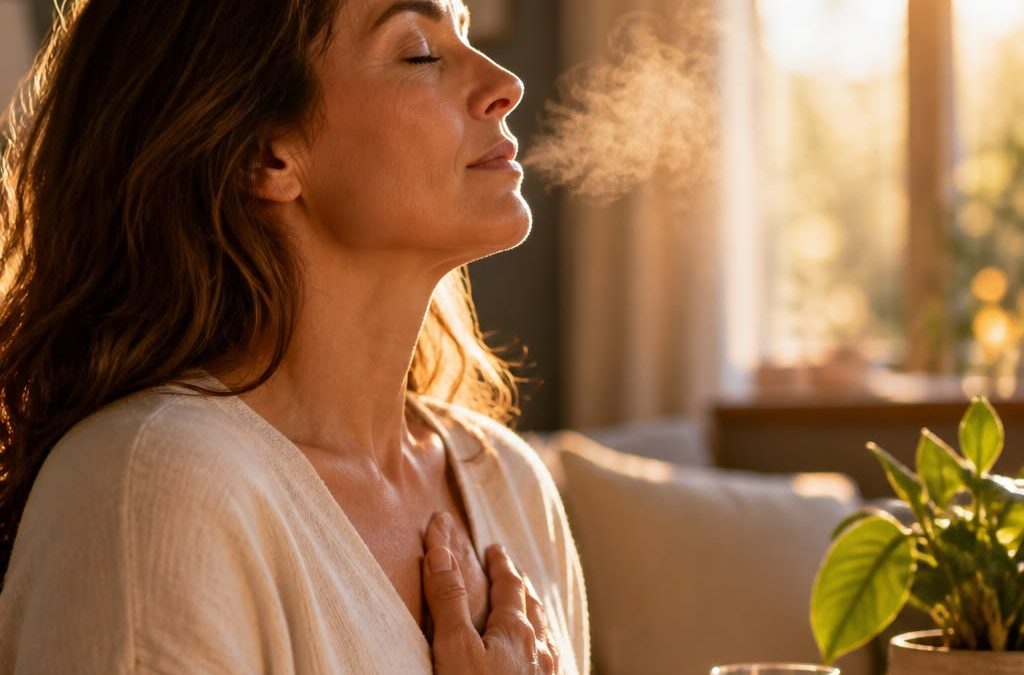
Modern life moves at an incredible pace. Constant responsibilities, digital overload, financial pressures, and emotional challenges can gradually affect both our body and mind. Stress may begin as a normal response to daily life, but when it becomes chronic, it can contribute to anxiety, restless nights, fatigue, and persistent low mood.
The good news is that nature offers powerful tools to help restore emotional balance. Through aromatherapy, medicinal plants, healthy lifestyle habits, relaxation practices, and quality sleep, it is possible to support your mental well-being naturally and safely. This holistic approach aligns with the philosophy of Maryline Hourlier’s wellness programs, which focus on combining essential oils, relaxation methods, and healthy daily routines for long-term emotional balance.
Understanding Stress and Anxiety
Stress is the body’s natural reaction to demanding situations. Short-term stress can improve focus and motivation. However, prolonged stress causes excessive production of cortisol, the primary stress hormone.
When cortisol remains elevated for extended periods, it may contribute to:
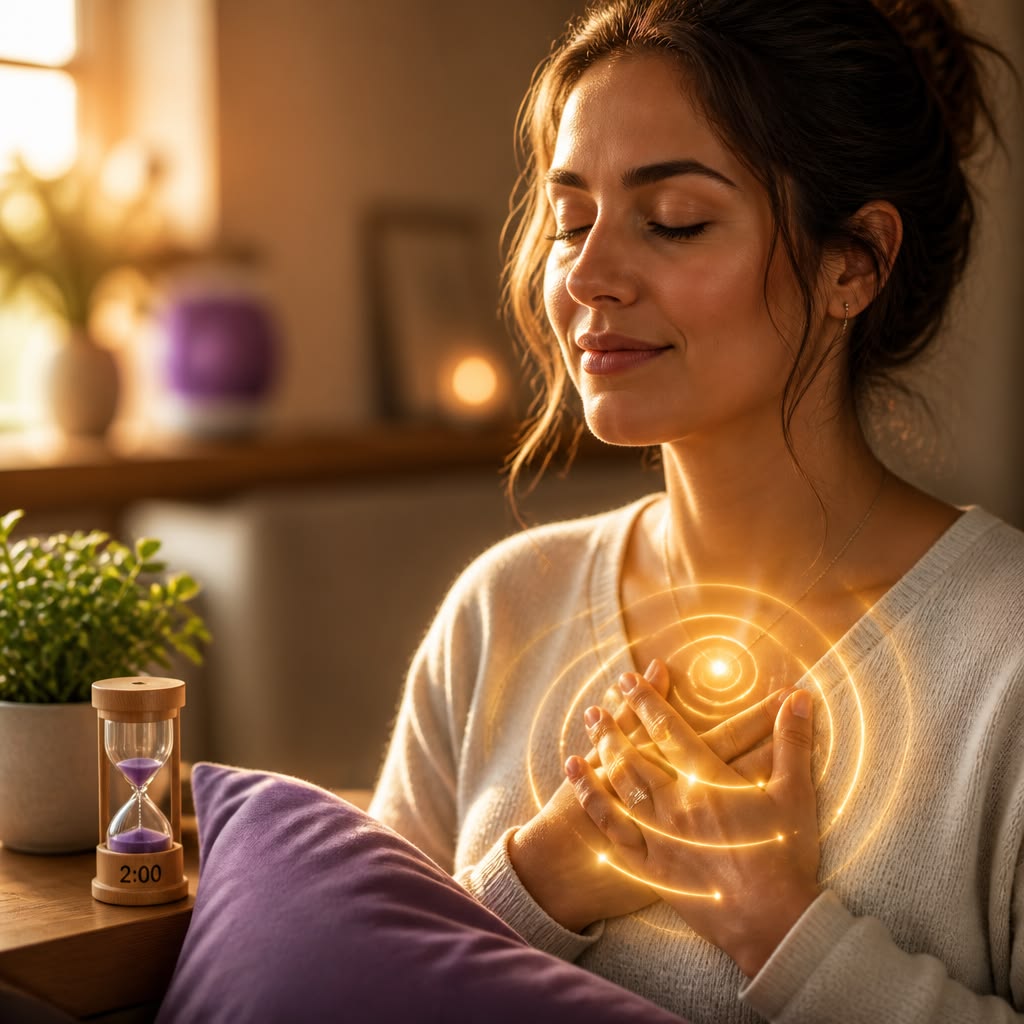
- Difficulty sleeping
- Constant fatigue
- Muscle tension
- Digestive discomfort
- Poor concentration
- Mood changes
- Anxiety
- Irritability
- Reduced immune function
Anxiety differs slightly from stress. While stress usually has an identifiable trigger, anxiety may persist even when no immediate danger exists.
Common symptoms include:
- Racing thoughts
- Restlessness
- Fast heartbeat
- Chest tightness
- Excessive worrying
- Panic sensations
- Difficulty relaxing
Learning to recognize these early signs allows you to take action before symptoms worsen.
How Chronic Stress Affects Your Body
Long-term emotional stress influences nearly every body system.
Nervous System
Continuous stress keeps your nervous system in “fight or flight” mode, making relaxation increasingly difficult.
Sleep Quality
Stress is one of the leading causes of insomnia. Many people struggle to fall asleep because their minds remain active long after bedtime.
Digestive Health
The brain and gut are closely connected. Emotional stress may contribute to:
- Bloating
- Indigestion
- Irritable bowel symptoms
- Appetite changes
Immune Function
Long-lasting stress may weaken the body’s natural defenses, making recovery slower and increasing susceptibility to common illnesses.
Natural Relaxation Techniques That Really Work
Simple daily habits can significantly reduce emotional tension.
Deep Breathing
Slow diaphragmatic breathing activates the parasympathetic nervous system, encouraging relaxation.
Try this simple exercise:
- Inhale for 4 seconds
- Hold for 4 seconds
- Exhale slowly for 6 seconds
Repeat for five minutes.
Meditation
Meditation helps quiet racing thoughts while improving emotional resilience.
Benefits include:
- Better concentration
- Lower anxiety
- Improved emotional balance
- Better sleep quality
Just 10 minutes each day can make a noticeable difference.
Gentle Yoga
Yoga combines movement, breathing, and mindfulness.
Regular practice helps:
- Relax muscles
- Improve flexibility
- Reduce cortisol
- Calm the mind
- Improve sleep
Walking in Nature
Research consistently shows that spending time in green spaces can improve mood and reduce stress.
A daily 20–30 minute walk outdoors can provide both physical and emotional benefits.
Essential Oils for Stress and Anxiety
Aromatherapy has been used for centuries to promote relaxation and emotional balance.
Some of the most commonly used essential oils include:
Lavender
Known for its calming aroma, lavender is frequently used to support relaxation and restful sleep.
Sweet Orange
Its uplifting scent may help create a more positive atmosphere while reducing nervous tension.
Roman Chamomile
Traditionally used for emotional calming and relaxation.
Bergamot
Popular in aromatherapy for easing emotional stress and encouraging a balanced mood.
Ylang-Ylang
Often chosen to reduce nervous tension while promoting emotional harmony.
Essential oils can be used through:
- Diffusion
- Personal inhalers
- Massage (properly diluted)
- Aromatic baths
Always follow safety guidelines and dilution recommendations before using essential oils. Safe use and practical application methods are key components of Maryline Hourlier’s wellness approach.
Natural Ways to Improve Sleep
Quality sleep is essential for emotional well-being.
Healthy sleep habits include:
- Going to bed at the same time every night
- Avoiding screens before bedtime
- Limiting caffeine late in the day
- Keeping your bedroom cool and dark
- Practicing relaxation before sleep
A peaceful evening routine signals your brain that it is time to rest.
Nutrition for Better Mental Wellness
Food directly influences brain health.
Include more:
- Fresh vegetables
- Fruits rich in antioxidants
- Nuts and seeds
- Whole grains
- Healthy fats
- Omega-3-rich foods
- Herbal teas
Reduce:
- Refined sugar
- Excess caffeine
- Alcohol
- Ultra-processed foods
Balanced nutrition supports both emotional stability and energy levels.
Daily Habits That Improve Mood Naturally
Small lifestyle changes often create lasting improvements.
Healthy habits include:
- Regular physical activity
- Morning sunlight exposure
- Gratitude journaling
- Staying hydrated
- Connecting with loved ones
- Taking regular breaks
- Spending time outdoors
- Limiting excessive social media use
Consistency matters more than perfection.
When to Seek Professional Help
Natural wellness practices can support emotional well-being, but they are not a substitute for professional care.
If stress, anxiety, insomnia, or persistent low mood significantly affect your daily life or continue for weeks despite self-care, consult a qualified healthcare professional. Early support can make a meaningful difference.
A Holistic Approach to Emotional Wellness
Managing stress naturally involves caring for your body, mind, and daily habits together.
Combining:
- Essential oils
- Relaxation techniques
- Healthy nutrition
- Physical activity
- Mindfulness
- Quality sleep
- Positive daily routines
creates a strong foundation for long-term emotional balance.
Maryline Hourlier’s “Manage Stress, Anxiety, Insomnia, and Low Mood” eBook follows this holistic philosophy by combining aromatherapy, relaxation techniques, plant-based remedies, and practical daily strategies to help people regain calm and improve sleep naturally.
Frequently Asked Questions (FAQ)
What is the best natural way to reduce stress?
Regular exercise, meditation, deep breathing, quality sleep, and aromatherapy with essential oils are among the most effective natural strategies.
Which essential oil is best for anxiety?
Lavender, bergamot, Roman chamomile, sweet orange, and ylang-ylang are commonly used in aromatherapy to promote relaxation.
Can natural remedies help insomnia?
Healthy sleep habits, relaxation techniques, and certain essential oils may support better sleep, though persistent insomnia should be discussed with a healthcare professional.
How can I improve my mood naturally?
Balanced nutrition, physical activity, sunlight exposure, mindfulness, social connection, and adequate sleep all contribute to improved emotional well-being.
Is stress linked to poor sleep?
Yes. Chronic stress can make it difficult to fall asleep, stay asleep, and achieve restorative sleep.
Conclusion
Stress and anxiety are common challenges, but they do not have to control your life. By embracing natural wellness practices, creating healthy daily routines, and supporting your body with safe, evidence-informed habits, you can build resilience, sleep more peacefully, and enjoy greater emotional balance. Whether you’re beginning your wellness journey or looking to deepen your self-care routine, small consistent steps can lead to meaningful improvements in your overall quality of life.
Natural Health Expert
Author of 3 Health Books
More than 20 Years of Professional Experience
University Diplomas in Aromatherapy, Phytotherapy, Nutrition and Aging
Founder of a Qualiopi-Certified Training Organisation.