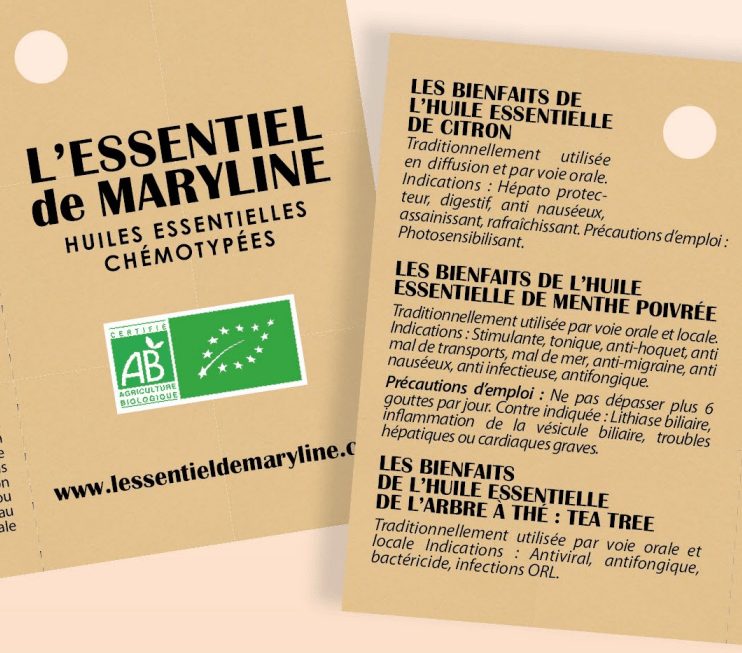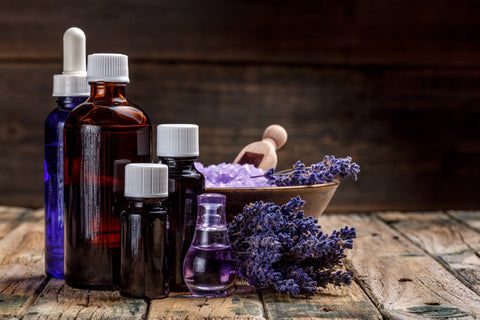
Essential oils can be a wonderful addition to a natural wellness routine. Their concentrated aromas are commonly used in aromatherapy, massage, relaxation rituals and everyday self-care. However, because essential oils are highly concentrated plant extracts, natural does not automatically mean risk-free.
Learning how to use essential oils safely is particularly important when they are used around the whole family. Adults, children, babies, pregnant women and people with particular health conditions may have different safety considerations.
The good news is that responsible use does not have to be complicated. With the right knowledge, careful dilution, appropriate application methods and proper storage, you can incorporate essential oils into your home wellness routine more safely.
Important: Essential oils should not replace medical diagnosis, prescribed treatment or professional medical care. If you are pregnant, breastfeeding, using medication, or considering essential oils for a child, seek advice from an appropriate healthcare professional before use.
What Are Essential Oils?
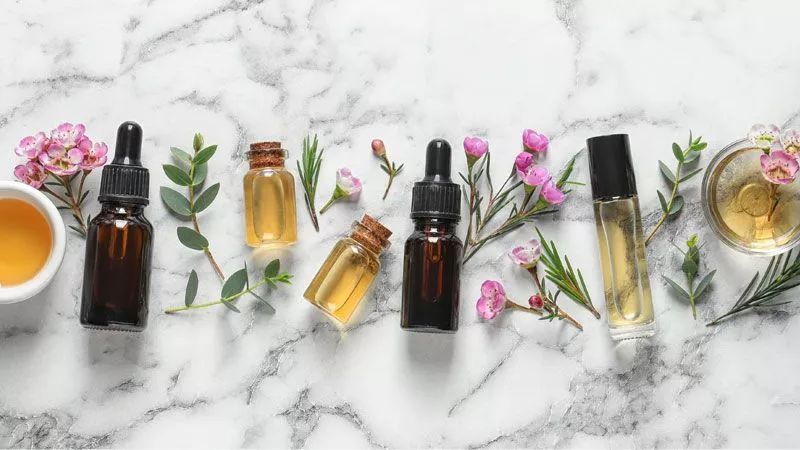
Essential oils are concentrated aromatic extracts obtained from plants such as flowers, leaves, herbs, fruits, roots and trees.
Lavender, tea tree, lemon, peppermint, chamomile, geranium and other essential oils are commonly used in aromatherapy. They may be inhaled or, in some circumstances, applied to the skin after appropriate dilution.
Their concentration is one reason why essential oils should be treated with care. A few drops can contain a highly concentrated amount of aromatic plant compounds.
This means that more is not necessarily better.
Safe essential oil use starts with understanding the individual oil, its intended application, the person using it and the appropriate concentration.
Why Essential Oil Safety Matters
Essential oils can cause skin irritation or allergic reactions in some people. Certain oils may also increase sensitivity to sunlight when applied to the skin.
Children require particular caution because their bodies are still developing and safety information for many complementary products is limited.
This is why an essential oil that an adult can tolerate should not automatically be considered appropriate for a baby or young child.
A safe family approach should always consider:
- The age of the person using the oil
- The specific essential oil
- The method of application
- The concentration or dilution
- Existing health conditions
- Medications
- Pregnancy or breastfeeding
- Possible allergies or sensitivities
- Safe storage and accidental exposure
1. Always Dilute Essential Oils Before Applying Them to Skin
One of the most important principles of essential oil safety is proper dilution.
Essential oils should generally not be applied directly to the skin unless a qualified professional has specifically recommended that method for a particular product and situation.
Instead, they can be diluted in an appropriate carrier oil or another suitable formulation.
Examples of carrier oils include:
- Jojoba oil
- Sweet almond oil
- Apricot kernel oil
- Coconut oil
- Olive oil
The appropriate dilution depends on the essential oil, the person’s age and the intended use. There is no single dilution percentage that is suitable for everyone.
For children and other sensitive individuals, professional guidance is especially important.
2. Choose Essential Oils According to Age
One of the biggest mistakes in family aromatherapy is assuming that every essential oil is suitable for every age group.
Babies and very young children require particular caution.
Some essential oils contain constituents that can be inappropriate or potentially harmful for young children. For example, peppermint oil contains menthol, and NCCIH advises that peppermint oil should not be applied to the face of infants or young children because inhaled menthol can negatively affect breathing.
Therefore, never create an essential oil routine for a baby or young child simply by copying an adult recipe.
Before using essential oils around children, check reliable safety information and, when appropriate, consult a pediatric healthcare professional or qualified aromatherapy practitioner.
3. Be Extra Careful During Pregnancy and Breastfeeding
Pregnancy and breastfeeding are periods when additional precautions are appropriate.
Although essential oils are often described as natural wellness products, safety information is not equally available for every oil and every stage of pregnancy or breastfeeding.
For example, NCCIH notes that little is known about the safety of lavender during pregnancy or breastfeeding.
If you are pregnant, breastfeeding or planning a pregnancy:
- Do not assume that an oil is safe simply because it is natural.
- Research the specific essential oil.
- Avoid unnecessary experimentation.
- Discuss intended use with your healthcare professional.
- Follow professional recommendations regarding concentration and application.
A cautious approach is always preferable.
4. Patch Test Before Topical Use
Even properly diluted essential oils can cause skin irritation or allergic reactions in certain people.
Before introducing a new topical essential oil product, consider performing a small skin test according to professional guidance.
Stop using the product if you notice:
- Redness
- Burning
- Itching
- Swelling
- Rash
- Persistent irritation
NCCIH notes that topical aromatherapy products can cause skin reactions in some individuals.
If a reaction is significant or persistent, seek medical advice.
5. Be Careful With Citrus Essential Oils and Sun Exposure
Some citrus and other essential oils can increase skin sensitivity to sunlight.
This means that applying certain photosensitizing oils to exposed skin before going outdoors may increase the risk of a skin reaction.
Always check the specific essential oil’s safety instructions before topical application and follow appropriate precautions regarding sunlight.
When in doubt, choose another application method or seek professional advice.
6. Inhalation Is Not Automatically Risk-Free
Aromatherapy commonly involves inhaling essential oil aromas. However, inhalation should still be approached thoughtfully.
Avoid excessive amounts of essential oil in enclosed spaces, particularly around babies, young children, people with respiratory sensitivities or pets.
A strong aroma is not necessarily more beneficial.
Use ventilation and discontinue exposure if someone experiences discomfort, coughing, headache, dizziness or irritation.
The goal of aromatherapy should be a comfortable, controlled experience rather than overwhelming the senses.
7. Never Assume Essential Oils Are Safe to Swallow
One of the most important essential oil safety rules is to avoid casual ingestion.
Essential oils are highly concentrated substances, and oral use is not appropriate for every oil, person or situation.
Do not add essential oils to water, food or beverages simply because a social media post or online recipe recommends it.
Oral use can have different risks from inhalation or properly diluted topical use. Even peppermint oil, for example, can cause side effects when taken orally, including heartburn, nausea and abdominal discomfort.
If oral use is being considered for a specific reason, professional healthcare guidance is essential.
8. Store Essential Oils Safely
Safe storage is especially important in homes with children.
Keep essential oils:
- Out of children’s reach
- In their original, clearly labelled containers
- Tightly closed
- Away from excessive heat and direct sunlight
- Separate from food and drink
- In a place where children cannot accidentally access them
Never leave an open bottle unattended.
Because essential oils are concentrated, accidental exposure can be dangerous. Good storage habits are therefore an essential part of family aromatherapy safety.
9. Quality Matters
Not all essential oil products are identical.
When choosing an essential oil, look for clear information about:
- The botanical name
- Plant part used
- Country or region of origin when available
- Extraction method when available
- Batch or lot information
- Appropriate safety instructions
- Manufacturer information
Be cautious of products making exaggerated claims such as promising to cure serious diseases or replace medical treatment.
The word “natural” does not guarantee safety, and product quality can vary. NCCIH emphasizes the importance of considering the specific product and its potential risks rather than assuming that natural products are automatically safe.
10. Never Mix Too Many Essential Oils Without Guidance
Creating complicated blends with many essential oils may sound appealing, but adding more oils does not necessarily make a blend better.
Each additional oil introduces its own properties and potential safety considerations.
For family use, a simple approach is often preferable:
Choose → Dilute appropriately → Apply correctly → Observe the response.
If you want to create personalized blends, consider learning from a qualified aromatherapy professional who can help you understand dilution, contraindications and appropriate application methods.
Essential Oil Safety for Different Family Members
For Adults
Adults should still follow appropriate dilution and application instructions. Consider allergies, medications, skin sensitivity and existing medical conditions before using essential oils.
For Children
Children need additional caution because safety data for many complementary approaches are limited. Do not automatically use adult essential oil recipes for children.
For Babies
Avoid experimenting with essential oils on babies without professional guidance. Their developing bodies and smaller size require particularly careful consideration.
During Pregnancy
Check the safety profile of each essential oil and discuss intended use with a healthcare professional.
During Breastfeeding
Consider both the method of use and potential exposure to the baby. Professional guidance is recommended, especially when topical application is involved.
For Older Adults
Older adults may take several medications or have chronic health conditions. Essential oils should therefore be considered alongside their overall health and medication profile.
Common Essential Oil Safety Mistakes to Avoid
Avoid these common mistakes:
Using essential oils undiluted: Concentrated oils can irritate the skin.
Using adult recipes for children: Children’s safety requirements can be different.
Applying oils near the eyes: Essential oils should not be allowed to contact the eyes.
Putting essential oils inside the nose: This can cause irritation and is not an appropriate home remedy.
Swallowing oils casually: Oral use requires specific knowledge and professional guidance.
Using too much: More drops do not automatically mean greater benefits.
Ignoring allergies: Always consider individual sensitivity.
Using photosensitizing oils before sun exposure: Check the safety information for citrus and other potentially photosensitizing oils.
Leaving bottles within children’s reach: Secure storage is essential.
Replacing medical treatment: Aromatherapy should not delay appropriate diagnosis or treatment.
A Simple Family Essential Oil Safety Checklist
Before using an essential oil, ask yourself:
☐ What is the exact essential oil?
☐ Who will be using it?
☐ Is it appropriate for their age?
☐ Is the oil diluted correctly for the intended use?
☐ Could the person have an allergy or sensitivity?
☐ Are they pregnant or breastfeeding?
☐ Are they taking medication?
☐ Is there a medical condition that requires additional caution?
☐ Could sunlight be a concern?
☐ Is the oil stored safely?
☐ Am I using it for wellness rather than replacing necessary medical care?
If you cannot confidently answer these questions, pause and seek professional advice before using the oil.
Build a Safer Natural Wellness Routine
Essential oils can become part of a mindful self-care routine when they are used responsibly.
Rather than focusing on using as many oils as possible, focus on knowledge, simplicity and safety.
Learn about individual essential oils. Understand dilution. Pay attention to age-specific precautions. Store products correctly. And remember that every family member may have different needs.
A safe approach allows you to enjoy the aromatic experience of essential oils without turning natural wellness into unnecessary risk.
Final Thoughts: Essential Oils Can Be Used More Safely With Knowledge
Essential oils are concentrated plant extracts that can be incorporated into aromatherapy and personal wellness routines. However, responsible use requires more than simply choosing a pleasant fragrance.
For the whole family, safety should always come first.
Use appropriate dilution, respect age-related precautions, take extra care during pregnancy and breastfeeding, avoid casual ingestion, protect sensitive skin, store oils securely and seek professional advice when you are unsure.
Most importantly, remember:
Natural does not always mean harmless. Knowledge is the foundation of safe aromatherapy.
If you want to learn more about essential oils, their everyday uses, precautions and responsible application, explore the educational resources and eBooks available from L’Essentiel de Maryline.
Natural Health Expert
Author of 3 Health Books
More than 20 Years of Professional Experience
University Diplomas in Aromatherapy, Phytotherapy, Nutrition and Aging
Founder of a Qualiopi-Certified Training Organisation.