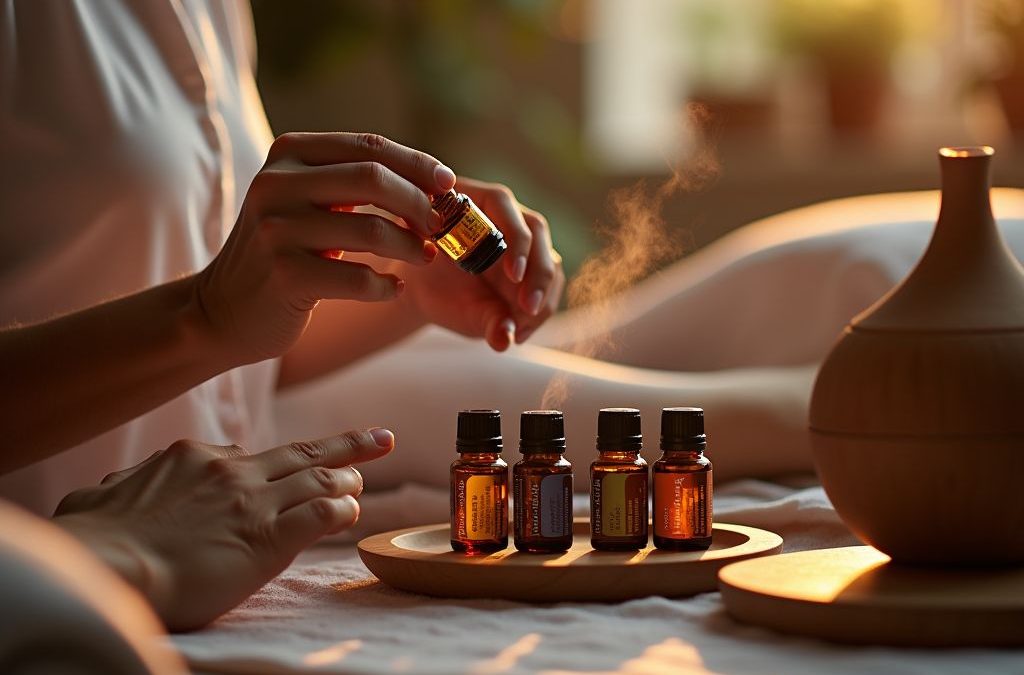
Essential oils have become one of the most popular natural wellness solutions worldwide. From creating a relaxing atmosphere to supporting everyday well-being, these highly concentrated plant extracts can become a valuable addition to your family’s lifestyle when used responsibly.
However, because essential oils are extremely concentrated, using them correctly is essential. Understanding proper dilution, application methods, and safety precautions helps ensure that every member of your family can enjoy their benefits while minimizing potential risks.
In this complete guide, you’ll learn everything you need to know about using essential oils safely—from children and adults to seniors.
What Are Essential Oils?
Essential oils are concentrated aromatic compounds extracted from flowers, leaves, bark, roots, seeds, and fruits. These natural extracts capture the plant’s characteristic fragrance and beneficial properties.
Common extraction methods include:
- Steam distillation
- Cold pressing
- CO₂ extraction
Because one small bottle may contain the essence of several pounds of plant material, essential oils are incredibly potent and should always be used with care.
Why Safety Matters
Natural does not always mean harmless.
Essential oils contain powerful active compounds that can cause skin irritation, allergic reactions, or other unwanted effects if used improperly. Children, pregnant women, seniors, and people with certain medical conditions may require extra precautions.
Learning proper safety guidelines helps you:
- Protect sensitive skin
- Reduce the risk of irritation
- Avoid incorrect dosages
- Choose appropriate application methods
- Use oils confidently at home
The Three Safe Ways to Use Essential Oils
1. Aromatic Use
This is one of the safest and easiest ways to enjoy essential oils.
Examples include:
- Diffusers
- Personal inhalers
- Steam inhalation
- Tissue or cotton ball inhalation
Aromatic use may help create a relaxing environment, freshen indoor spaces, and support emotional well-being.
Safety Tips
- Diffuse in well-ventilated rooms.
- Avoid continuous diffusion for several hours.
- Give your body regular breaks from exposure.
- Keep diffusers away from infants and pets unless advised by a qualified professional.
2. Topical Use
Applying essential oils to the skin allows them to be absorbed gradually.
Popular application areas include:
- Neck
- Shoulders
- Feet
- Wrists
- Back
Always Dilute Before Applying
Essential oils should generally be mixed with a carrier oil such as:
- Sweet Almond Oil
- Jojoba Oil
- Coconut Oil
- Apricot Kernel Oil
- Grapeseed Oil
Dilution helps reduce skin sensitivity and irritation.
Perform a Patch Test
Before first use:
- Apply diluted oil to a small skin area.
- Wait 24 hours.
- Watch for redness, itching, or irritation.
If irritation occurs, discontinue use immediately.
3. Internal Use
Not every essential oil is suitable for internal consumption.
Only products specifically labeled for internal use should ever be considered, and internal use should follow professional guidance and label instructions. Many healthcare organizations advise against routine ingestion without qualified supervision.
Essential Oil Safety for Children
Children have more delicate skin and smaller body sizes, making them more sensitive to concentrated oils.
Best Practices
- Use extra dilution.
- Prefer aromatic or gentle topical applications.
- Avoid strong oils on young children.
- Never allow children to use essential oils without adult supervision.
- Store oils completely out of children’s reach.
Essential Oil Safety During Pregnancy
Pregnancy requires additional caution.
Some essential oils may not be suitable during pregnancy.
If you are pregnant or breastfeeding:
- Consult your healthcare provider before use.
- Choose gentle oils recommended for pregnancy.
- Avoid unnecessary exposure during the first trimester unless advised by a qualified professional.
People Who Should Take Extra Precautions
Consult a healthcare professional before using essential oils if you have:
- Asthma
- Epilepsy
- Severe allergies
- High blood pressure
- Liver disease
- Kidney disease
- Chronic medical conditions
Some essential oils may interact with medications or worsen certain health conditions.
Store Essential Oils Properly
Proper storage helps preserve quality and safety.
Store oils:
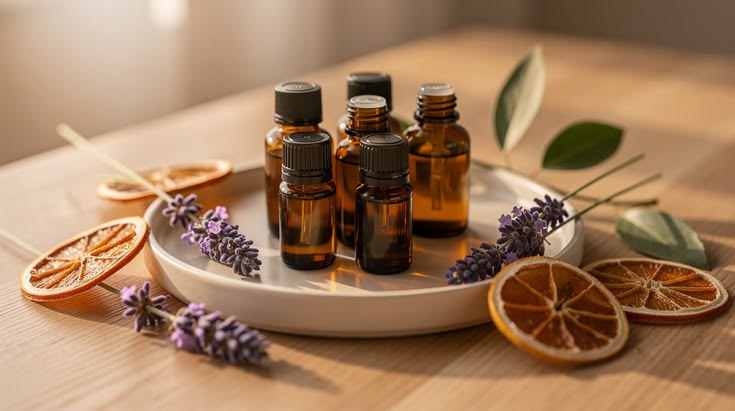
- In dark glass bottles
- Away from direct sunlight
- In a cool, dry place
- With lids tightly closed
- Out of reach of children and pets
Heat, oxygen, and sunlight may reduce the quality of essential oils over time.
Common Safety Mistakes to Avoid
Avoid these frequent errors:
❌ Applying undiluted oils directly to large skin areas
❌ Using too much oil
❌ Applying oils near the eyes or inside the ears
❌ Ignoring product labels
❌ Using expired oils
❌ Leaving bottles within children’s reach
❌ Assuming every oil is safe for everyone
Six Essential Oils Many Beginners Choose
While every oil has different properties and precautions, these are commonly used in home wellness routines:
- Lavender
- Sweet Orange
- Lemon
- Tea Tree
- Peppermint
- Eucalyptus Radiata
Always read the manufacturer’s safety instructions before use, as each oil has unique precautions.
Build a Safe Daily Routine
A simple routine may include:
Morning
Diffuse citrus oils for a refreshing atmosphere.
Afternoon
Use diluted peppermint or lavender in a gentle massage after a busy day.
Evening
Diffuse lavender to create a calm bedtime environment.
Remember: consistency and moderation are more important than using large amounts.
Choosing High-Quality Essential Oils
Quality matters.
When purchasing essential oils, look for:
- Botanical (Latin) plant name
- Country of origin
- Extraction method
- Batch information
- Purity details
- Clear safety instructions
High-quality oils help ensure a better user experience and reduce the likelihood of unwanted additives.
Final Thoughts
Essential oils can become a wonderful part of your family’s natural wellness routine when used thoughtfully and responsibly. By understanding proper dilution, choosing the right application method, storing oils correctly, and respecting individual sensitivities, you can enjoy their aromatic and wellness-supporting qualities with greater confidence.
Safe use begins with education. Start slowly, follow trusted guidance, and always prioritize quality and moderation.
Natural Health Expert
Author of 3 Health Books
More than 20 Years of Professional Experience
University Diplomas in Aromatherapy, Phytotherapy, Nutrition and Aging
Founder of a Qualiopi-Certified Training Organisation.