Your immune system is one of your body’s most important natural defense systems. Every day, it works continuously to identify and respond to bacteria, viruses, and other potentially harmful substances.
Supporting your immune system does not mean looking for a quick fix or trying to make your immunity “super strong.” Instead, it means creating healthy conditions that allow your body’s natural defenses to function properly.
Nutrition, sleep, physical activity, stress management, hydration, and certain natural approaches can all play an important role in maintaining overall well-being.
At L’Essentiel de Maryline, natural wellness is approached through practical education, safe use of natural remedies, and sustainable lifestyle habits. The Boost Your Immune System eBook provides guidance on nutrition, plants, natural remedies, essential oils, and everyday practices designed to support immune health.
What Is the Immune System?
The immune system is a complex network of cells, tissues, organs, and biological processes that helps protect the body.
Important components include immune cells, lymphatic tissues, bone marrow, the spleen, thymus, antibodies, and signaling molecules.
Rather than working as a single organ, the immune system operates as an interconnected defense network.
This is why supporting immune health requires a holistic approach rather than relying on one food, supplement, plant, or essential oil.
How Can You Support Your Immune System Naturally?
There is no single magic ingredient that can guarantee perfect immunity. However, several everyday habits can contribute to better overall health and support normal immune function.
1. Eat a Nutrient-Rich Diet
Nutrition is one of the foundations of a healthy lifestyle.
A balanced diet should provide a variety of vitamins, minerals, antioxidants, fiber, protein, and healthy fats.
Consider regularly including:

- Fresh fruits and vegetables
- Citrus fruits and other vitamin-rich foods
- Leafy green vegetables
- Legumes
- Nuts and seeds
- Whole grains
- Fish and other quality protein sources
- Fermented foods where appropriate
Instead of focusing on one “immune-boosting” food, aim for variety and balance.
A colorful plate is often a simple way to increase the diversity of nutrients in your diet.
2. Get Enough Quality Sleep
Sleep is essential for physical and mental recovery.
Poor or insufficient sleep can affect many processes involved in overall health, including immune regulation.
Try to establish a consistent sleep routine by:
- Going to bed and waking up at similar times
- Creating a relaxing evening routine
- Limiting excessive screen use before bedtime
- Keeping your bedroom comfortable and quiet
- Avoiding heavy meals immediately before sleep when they disturb your rest
Good sleep is not a luxury. It is an important part of maintaining a healthy lifestyle.
3. Stay Physically Active
Regular moderate physical activity can support circulation, cardiovascular health, mood, and general well-being.
You do not necessarily need an intense workout.
Simple activities such as:
- Walking
- Cycling
- Swimming
- Yoga
- Stretching
- Light strength training
can help you maintain an active lifestyle.
The key is consistency rather than extreme exercise.
4. Manage Chronic Stress
Long-term stress can affect sleep, eating habits, energy levels, and overall well-being.
Creating time for relaxation can therefore be an important part of your wellness routine.
You could try:
- Deep breathing
- Meditation
- Gentle yoga
- Walking outdoors
- Journaling
- Relaxation exercises
- Spending time on enjoyable hobbies
A healthy immune-support routine should take care of both the body and the mind.
Plants and Natural Remedies for Immune Support
Plants have been used traditionally in wellness practices for generations.
Certain plants are recognized for their potential role in supporting health, but natural does not automatically mean risk-free.
The choice of plant, preparation, dosage, interactions, and individual circumstances all matter.
This is why learning how to use natural remedies appropriately is essential.
The Boost Your Immune System guide from L’Essentiel de Maryline explores recognized plants and natural approaches, including phytotherapy and gemmotherapy, as part of a broader approach to immune wellness.
Phytotherapy and Immune Wellness
Phytotherapy involves the use of plants and plant-derived preparations for wellness and health-related purposes.
Different plants contain different active compounds and may have different traditional or researched uses.
However, herbal remedies can interact with medications or may not be suitable for everyone.
Before introducing a medicinal plant into your routine, consider:
- Your current medications
- Existing health conditions
- Allergies
- Pregnancy or breastfeeding
- Age
- Appropriate dosage
- Recommended duration of use
Professional guidance is particularly important when using concentrated preparations or when you take medication.
Essential Oils and Immune Support
Essential oils are highly concentrated aromatic extracts from plants.
They are popular in aromatherapy and natural wellness routines, but they require careful handling.
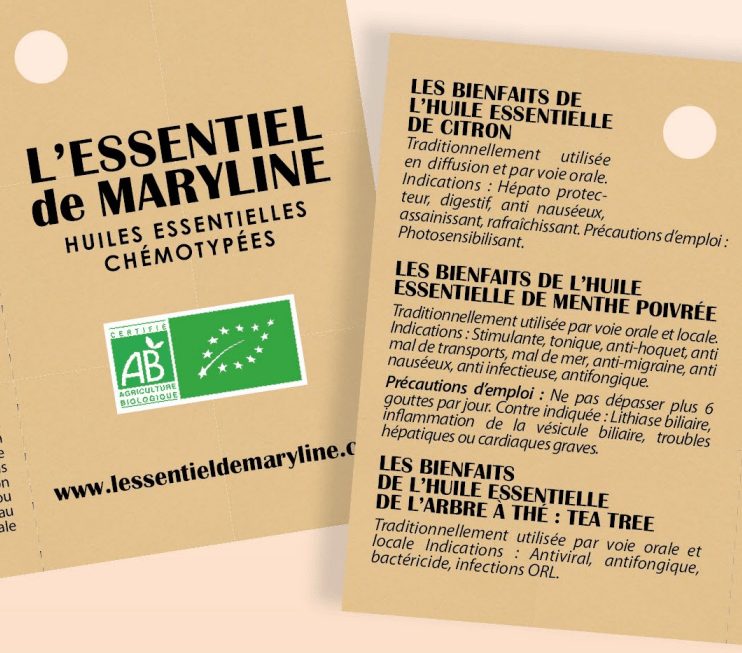
The L’Essentiel de Maryline approach specifically emphasizes safe use, precautions, and contraindications when discussing essential oils.
Some essential oils are traditionally used in aromatherapy during seasonal wellness routines. However, they should not be presented as substitutes for medical treatment or vaccination, and they should never be used carelessly.
Essential Oil Safety Tips
Before using an essential oil:
- Choose a high-quality product from a reliable source.
- Follow appropriate dilution recommendations.
- Avoid applying concentrated essential oils directly to sensitive areas.
- Keep essential oils away from the eyes and mucous membranes.
- Store them safely away from children.
- Consider individual allergies and sensitivities.
- Check potential medication interactions.
- Follow specific precautions for children and pregnancy.
- Do not ingest essential oils unless specifically advised by an appropriately qualified professional.
Essential oils are powerful concentrates, so safe use should always come before frequency of use.
Everyday Habits That Can Support Immune Health
A healthy immune system is supported by your overall lifestyle rather than one isolated action.
Here are simple habits you can incorporate into your daily routine:
Eat Well
Build meals around a variety of whole and minimally processed foods.
Stay Hydrated
Drink enough fluids throughout the day according to your individual needs and circumstances.
Sleep Consistently
Make quality sleep part of your daily health routine.
Move Every Day
Choose physical activities that you enjoy and can maintain consistently.
Reduce Excessive Stress
Give yourself regular opportunities to relax and recover.
Practice Good Hygiene
Regular handwashing and sensible hygiene practices remain important ways to reduce exposure to infectious organisms.
Spend Time Outdoors
Outdoor activity can support physical activity, mood, and general well-being. Follow appropriate sun-safety practices.
What Can Weaken Immune Health?
Many lifestyle and environmental factors can negatively affect overall health.
These may include:
- Chronic stress
- Poor sleep
- Unbalanced nutrition
- Physical inactivity
- Excessive alcohol consumption
- Smoking
- Poor hygiene
- Long-term exhaustion
- Sedentary habits
Rather than trying to change everything at once, start with small improvements.
For example, you might begin by improving your sleep schedule, adding more vegetables to your meals, or taking a daily walk.
Small, sustainable habits can become powerful over time.
How to Build a Simple Immune-Support Routine
Creating a wellness routine does not have to be complicated.
Morning
Start your day with hydration and a nutritious breakfast.
During the Day
Stay active, eat balanced meals, drink fluids, and take short breaks from prolonged sitting.
Evening
Choose a relaxing activity, reduce unnecessary screen exposure, and prepare your body for quality sleep.
Throughout the Week
Include regular physical activity and make time for activities that reduce stress.
Consistency is more valuable than searching for a single miracle remedy.
When Should You Seek Medical Advice?
Natural wellness practices can complement a healthy lifestyle, but they should not replace professional medical care.
Speak with a healthcare professional if you have:
- Persistent or severe symptoms
- Recurrent infections
- Unexplained fatigue
- A diagnosed immune-related condition
- Concerns about your immune function
- Questions about interactions between natural remedies and medications
If you are taking medication, pregnant, breastfeeding, caring for a child, or managing a chronic condition, seek appropriate professional advice before using concentrated herbal preparations or essential oils.
Learn More About Natural Immune Support
Understanding your immune system can help you make more informed decisions about your daily wellness routine.
The Boost Your Immune System eBook from L’Essentiel de Maryline covers:
- Understanding the immune system
- Nutrition and immunity
- Factors that can affect immune balance
- Plants and natural remedies
- Phytotherapy and gemmotherapy
- Essential oil safety
- Aromatherapy approaches
- Practical everyday advice
The eBook is designed to provide structured information for people who want to explore natural wellness and develop healthier daily habits.
Final Thoughts
Supporting your immune system is a long-term process rather than a quick solution.
A balanced diet, regular physical activity, sufficient sleep, stress management, hydration, and healthy lifestyle choices can all contribute to overall well-being.
Natural remedies, medicinal plants, and essential oils can also be explored as complementary wellness approaches, provided they are used responsibly and safely.
The most important goal is to build sustainable habits that support your body and your overall health every day.
Your immune health starts with the choices you make consistently—not with a single miracle remedy.
Natural Health Expert
Author of 3 Health Books
More than 20 Years of Professional Experience
University Diplomas in Aromatherapy, Phytotherapy, Nutrition and Aging
Founder of a Qualiopi-Certified Training Organisation.