

Ravintsara Essential Oil: Uses, Benefits and Safety
Maryline HourlierRavintsara is an essential oil traditionally used in winter to ease minor respiratory discomfort and tiredness; it is mainly diffused, inhaled or diluted for massage by adults, and never used neat or swallowed. In France it is one of the first oils people reach for when colds start going around. It has a great reputation, but it is not a harmless product. Here I explain where it comes from, what you can reasonably expect from it, how to use it and when to avoid it.
What is ravintsara?
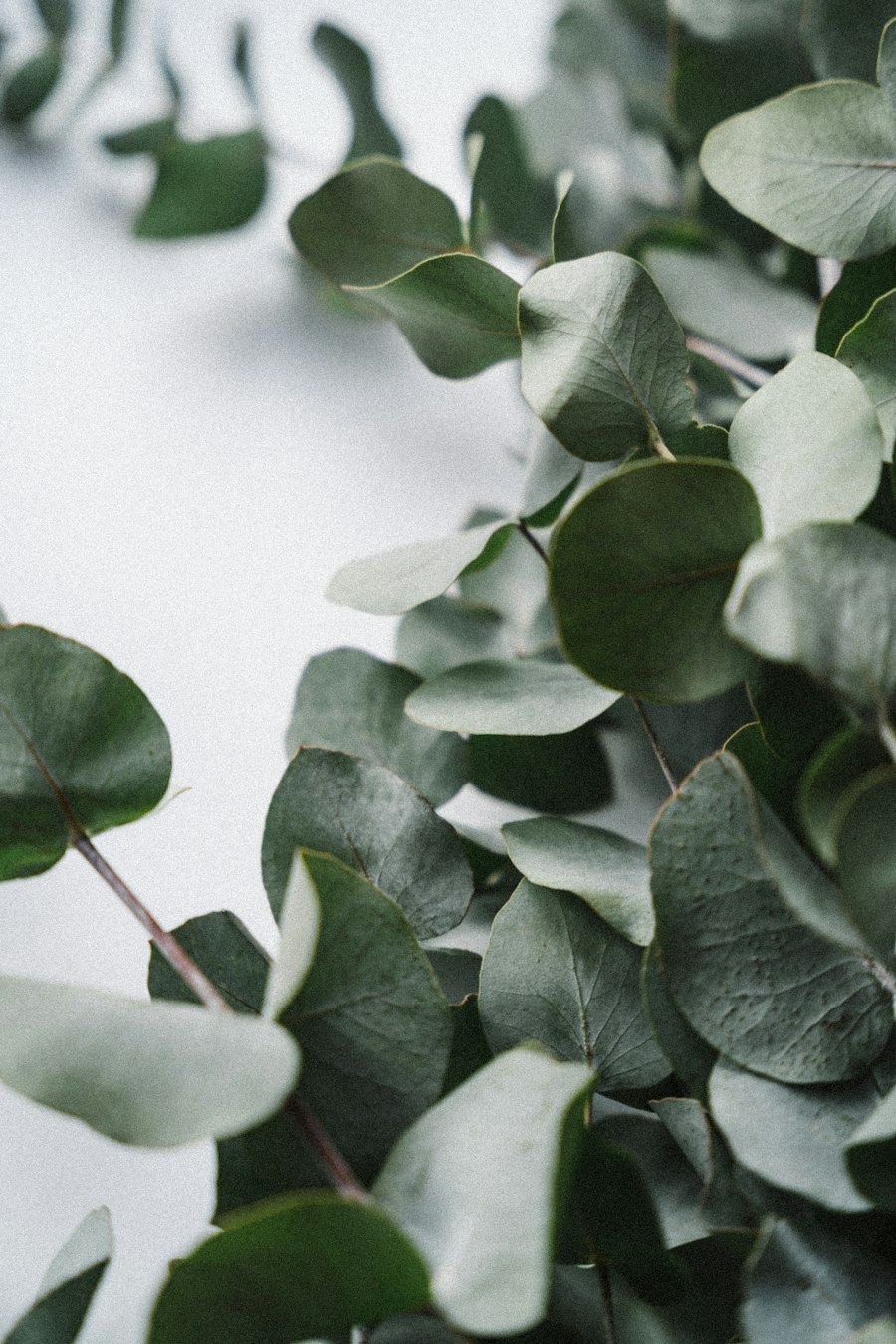
Ravintsara essential oil is steam-distilled from the leaves of the camphor tree, Cinnamomum camphora, grown in Madagascar. The oil sold for aromatherapy is rich in 1,8-cineole: this is the chemotype shown on the label (ct 1,8-cineole). It smells fresh, a little like eucalyptus.
Ravintsara vs ravensara: not the same oil
Ravintsara is often confused with ravensara (Ravensara aromatica), another tree from Madagascar. The names are similar and the two were mixed up in the trade for years, but they are different plants that give different oils. Always check the Latin name on the bottle: Cinnamomum camphora, leaf, ct 1,8-cineole.
What is ravintsara essential oil used for?
In aromatherapy, ravintsara is traditionally used:
- during colds and flu-like illness, to help you breathe more comfortably;
- during the winter virus season, diffused in a well-ventilated room;
- when you feel run down, for its fresh, uplifting scent.
To be honest, clinical studies on ravintsara in people are scarce. It does not replace rest, fluids or medical treatment when you need it. A cold usually gets better on its own within one to two weeks, and antibiotics will not help because colds are caused by viruses. Ravintsara is a comfort measure, not a medicine.
How to use ravintsara oil
In a diffuser
Add 3 to 5 drops to an electric diffuser for 15 to 20 minutes, then air the room. Do not diffuse continuously, and never in a baby's room or around someone with asthma.
As an inhalation
Put 1 or 2 drops on a tissue and breathe in calmly for a few moments, two or three times a day. It is the simplest method when your nose is blocked.
In a massage, always diluted
Dilute 2 drops of ravintsara in a teaspoon of carrier oil (sweet almond, apricot kernel) and massage your upper chest, upper back or inner wrists two or three times a day, for a few days only. Do a patch test on the inside of your elbow first and wait 24 hours.
My tip: an evening ritual when a cold sets in
In the evening, I suggest a warm honey drink, a few minutes of ravintsara in the diffuser in the living room (then open the window), and a gentle upper-back massage with the diluted blend before bed. It is not a miracle cure, but it is a soothing moment that helps you rest, and rest is still your best ally.
Essential safety precautions
- Pregnancy and breastfeeding: do not use ravintsara without advice from your doctor or midwife.
- Children: 1,8-cineole is one of the terpene compounds that French regulators contraindicate in medicines for children under 30 months because of the risk of seizures. To be safe, I do not use it under the age of 6 without medical advice, and never on a child's face.
- Epilepsy or a history of seizures: avoid it.
- Asthma: the strong scent can trigger breathing discomfort; ask for advice first.
- Medication: check with your doctor or pharmacist.
- Never swallow it, never apply it neat or put it in your nose, ears or eyes, and keep the bottle out of children's reach.
When to see a doctor
Ravintsara should never delay seeing a doctor. Get medical advice if:
- you have a high temperature for more than 3 days, or it is very high;
- your symptoms get worse or have not improved after 10 days;
- you have had a cough for more than 3 weeks;
- you have a long-term condition (heart, lung or kidney disease, diabetes) or a weakened immune system.
If you are short of breath, have chest pain or struggle to breathe, call emergency services straight away (999 in the UK, 911 in the US).
Go further

In my ebook “Boost Your Immune System and Stay Highly Productive” (€14.90), I share my nutrition tips and the plants and essential oils that help support your natural defences all winter, with their precautions.
Prefer to learn by video? Discover my online course on strengthening your immune system with natural remedies.
Frequently asked questions
What is ravintsara essential oil good for?
It is traditionally used in winter, diffused, inhaled or diluted in a massage, for breathing comfort during a cold and when you feel run down. Clinical studies are scarce: it is a complement, not a treatment.
Are ravintsara and ravensara the same?
No. Ravintsara comes from the leaves of the camphor tree (Cinnamomum camphora), while ravensara comes from another tree from Madagascar, Ravensara aromatica. Always check the Latin name on the bottle.
How do you use ravintsara oil safely?
Diffuse it for 15 to 20 minutes in a ventilated room, put 1 or 2 drops on a tissue, or dilute 2 drops in a teaspoon of carrier oil for a massage. Never apply it neat and never swallow it.
Is ravintsara safe for children and during pregnancy?
Not without medical advice. It is rich in 1,8-cineole, a compound to avoid under 30 months and in children with a history of seizures. If you are pregnant or breastfeeding, always ask your doctor or midwife first.
Read next
- Essential oils for bronchitis: what helps and what to avoid
- Essential oils for laryngitis and loss of voice: what helps
- Are essential oils safe? The safety rules to know
This article gives general information and does not replace advice from a healthcare professional. Sources: Juliani et al., “Searching for the Real Ravensara Oil”, Perfumer & Flavorist, 2016; NHS, Common cold; Anses (French food and health safety agency), Essential oils: risks and precautions, 2024 (in French); Vidal, Terpene derivatives: new contraindications in children, 2011 (in French).