

Dry Skin in Winter: Gentle Natural Care for Your Face and Body
Maryline HourlierThe best remedy for dry skin in winter is to protect your skin barrier: a short lukewarm shower, a gentle cleanser, a rich cream applied while your skin is still damp, and less dry air indoors. Essential oils are not needed; at most they are a small extra, on unbroken skin. Every winter my own skin feels tight, especially on my cheeks and legs. Here is the routine I follow and recommend.
Why skin gets drier in winter
Cold, wind and central heating all increase water loss from the skin. Indoor air is dry, and we tend to take longer, hotter showers. The result: the skin barrier weakens, and skin feels tight, turns red, itches or flakes.
My gentle body routine
A short, lukewarm shower
The American Academy of Dermatology (AAD) advises limiting showers and baths to 5 to 10 minutes, using warm rather than hot water, with the bathroom door closed. Pat your skin dry with a clean towel instead of rubbing.
A gentle cleanser, only where needed
Harsh soaps strip the skin's protective oily layer. Choose a gentle, fragrance-free cleanser (“fragrance-free” rather than “unscented”, says the AAD) and use it mainly where you need it, without building a thick lather.
Moisturise straight away
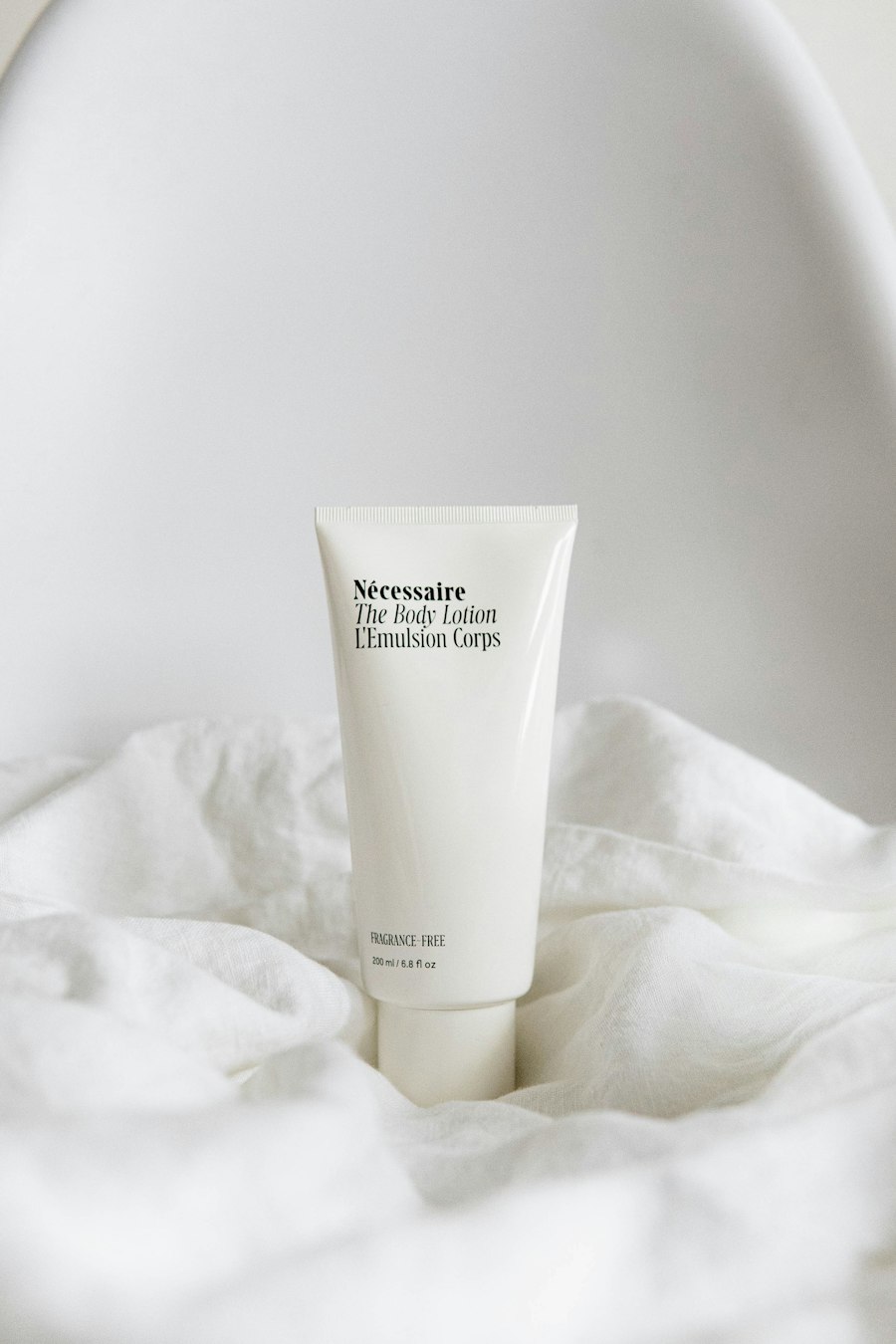
Apply your moisturiser right after showering, while your skin is still slightly damp, so it holds on to water. Choose a cream or ointment rather than a lotion. Helpful ingredients include glycerin, shea butter, petrolatum and lanolin.
For your face
- Wash with lukewarm water and a gentle cleanser, just once a day if your skin feels tight.
- Apply a rich, fragrance-free cream in the morning, before going out into the cold.
- Protect your lips with a lip balm or petroleum jelly.
- Avoid frequent scrubs, which weaken skin that is already dry.
Around you: air, clothes and hands
- Add moisture to the air: run a clean humidifier in the bedroom at night, or simply place a damp towel on a warm radiator.
- Wear cotton next to your skin rather than scratchy wool or polyester.
- Protect your hands with gloves outdoors and for washing up. I cover this in more detail in my article on dry hands.
- Drink regularly, and if you smoke, this is one more reason to stop.
What about essential oils?
They are not needed to treat dry skin, and they can irritate it. Anses, the French health safety agency, notes that essential oils can cause skin allergies. If you would like to scent your moisturiser, here are my rules:
- only on unbroken skin, never on cracked, split or eczema-prone skin;
- always diluted in a carrier oil or a neutral cream, at a very low dose, with a gentle oil such as true lavender;
- patch test first on the inside of your elbow and wait 48 hours;
- avoid citrus oils (lemon, bergamot, grapefruit…) on your skin before going outside: they make skin sensitive to sunlight.
My tip
I suggest keeping your routine very simple: many people pile on products when their skin feels tight, yet one rich cream applied faithfully twice a day often does more than ten different treatments. For the body, pure shea butter warmed for a few seconds between your hands is one of my winter basics.
Precautions
- Pregnancy, breastfeeding, children: no essential oils without medical advice; choose a neutral cream instead.
- Asthma, epilepsy: ask for advice before using an essential oil, even in a skin product.
- Medication: some medicines dry the skin or make it sensitive to the sun; ask your pharmacist.
- Never swallow essential oils.
When to see a doctor
See your GP or doctor if you have widespread dry, cracked or itchy skin that lasts longer than two weeks despite these measures, if it bleeds, weeps or looks infected, or if the itching keeps you awake. It could be eczema or another skin condition that needs proper treatment. A pharmacist can also help you choose an emollient: as the NHS points out, a more expensive cream is not necessarily better.
Go further

In my ebook “Maintain Beautiful Skin for a Long Time” (€14.90), I help you understand your skin type and share my homemade care, my favourite plant oils and the foods that do your skin good.
Prefer to learn by video? Discover my online course on keeping your skin beautiful with natural remedies.
Frequently asked questions
How do you treat very dry skin in winter?
Take short lukewarm showers, use a gentle fragrance-free cleanser, then apply a rich cream or ointment while your skin is still damp, twice a day. Humidify your bedroom and wear cotton next to your skin.
What is the best natural moisturiser for dry winter skin?
Shea butter is one of the most nourishing options for the body. For the face, a rich fragrance-free cream is the simplest choice. Always try a new product on a small area first.
Can you use essential oils on dry skin?
It is not necessary and can cause irritation. If you want to, use them only on unbroken skin, well diluted, with a gentle oil such as true lavender, after a patch test. Never on cracked skin.
When should I see a doctor about dry skin?
If dryness, cracking or itching covers a large area and lasts more than two weeks, if the skin bleeds, weeps or looks infected, or if itching stops you sleeping.
Read next
- Dry hands in fall: 5 gentle ways to protect your skin
- Indoor air in fall: ventilation and essential oil diffusers
- Are essential oils safe? The safety rules to know
This article gives general information and does not replace advice from a healthcare professional. Sources: American Academy of Dermatology, Dermatologists' tips for relieving dry skin; NHS Shropshire, Telford and Wrekin, Mild dry skin; Anses, Essential oils: risks and precautions (in French); AromaWeb, citrus oil phototoxicity.