

Cystitis Natural Remedies: What Helps and When to See a Doctor
Maryline HourlierIf you have cystitis, drink enough to pass pale urine regularly, pee often without holding on, and see a pharmacist or doctor promptly: cystitis often needs antibiotics, and no natural remedy replaces them. Cranberry may help prevent repeat infections, but it does not treat one that has already started. Essential oils have no place here. Here is my advice, with the signs that mean you should get help the same day.
How to recognise cystitis
Cystitis is a bladder infection, very common in women. The usual signs:
- pain or burning when you pee;
- needing to pee often or urgently, including at night;
- cloudy, dark or smelly urine, sometimes with blood in it;
- pain low down in your tummy.
What helps from the first signs
- Drink enough fluids to pass pale urine regularly, as the NHS advises.
- Pee often and empty your bladder fully each time.
- Avoid sex until your symptoms have gone.
- Cut down on coffee, alcohol and fruit juice, which can irritate the bladder.
- Ease the pain with paracetamol if needed, and rest.
Ask your pharmacist
In England, women aged 16 to 64 who are not pregnant can get advice and, if needed, antibiotics for a urinary tract infection directly from a pharmacist. In many other countries, a pharmacist or your doctor can test your urine and advise you quickly.
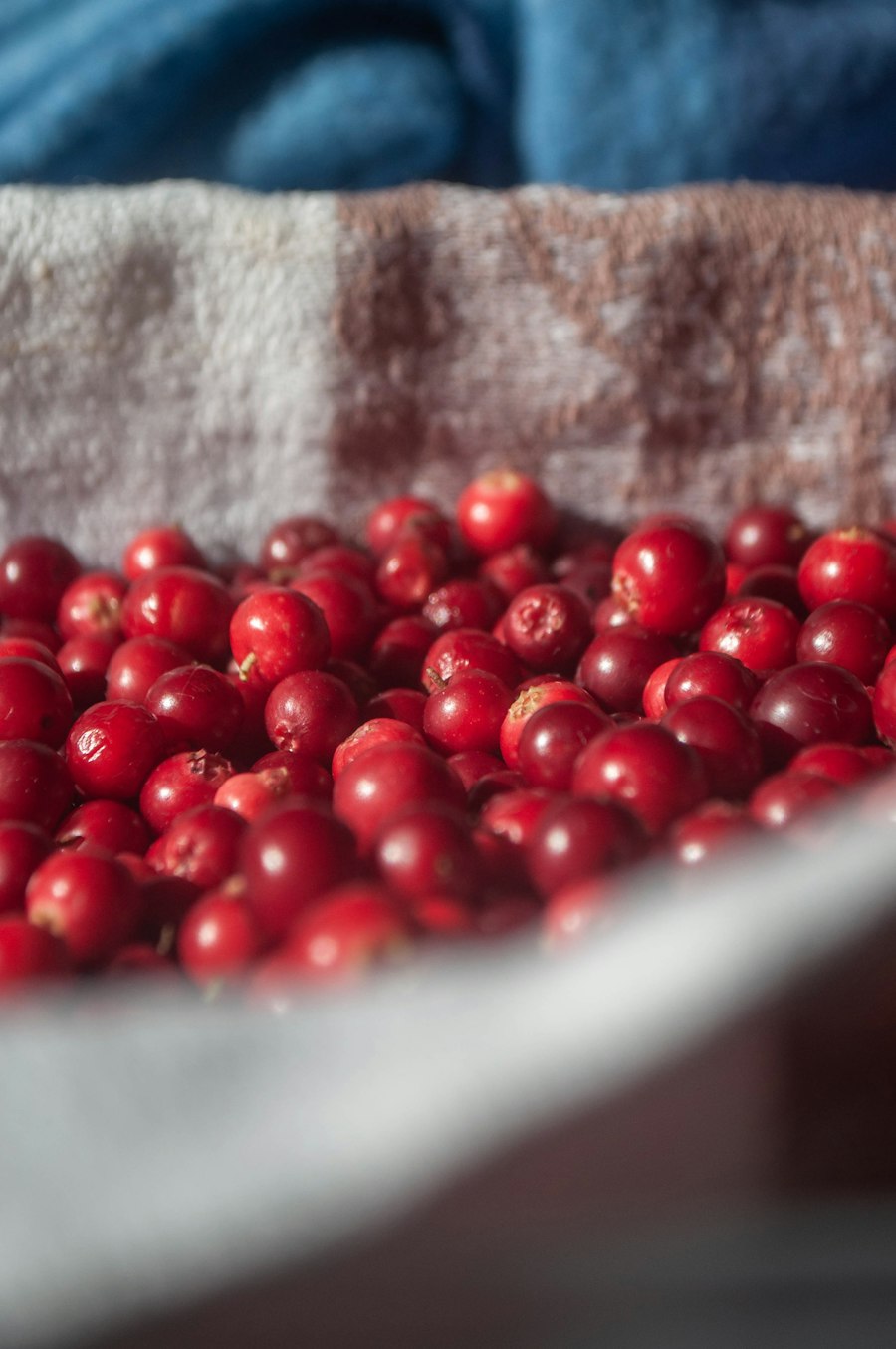
Cranberry and D-mannose: what we really know
A Cochrane review updated in 2023 (50 studies, nearly 8,900 people) found that cranberry products may reduce the risk of urinary tract infections in women who keep getting them, in children, and after some bladder procedures. But neither cranberry nor D-mannose has been shown to help once an infection has started. Both can contain a lot of sugar; check with your doctor before taking them in pregnancy, and avoid cranberry products if you take warfarin.
Everyday habits to prevent repeat infections
- drink plenty of fluids throughout the day;
- do not hold in urine, and pee soon after sex;
- wipe from front to back;
- wear cotton underwear rather than tight underwear;
- avoid scented soaps and spermicidal products;
- limit sugary foods and drinks, and alcohol.
What about essential oils?
I want to be clear: I do not recommend essential oils for cystitis. They do not replace antibiotics when they are needed, they must never be swallowed without medical advice, and Anses, the French health safety agency, warns against applying them undiluted to mucous membranes. Never put essential oils in the vagina, in a sitz bath or in intimate washes.
My tip
I suggest keeping a bottle of water close by and allowing yourself some rest. A warm, unsweetened herbal tea counts towards your fluids and feels soothing. And if cystitis keeps coming back, talk to your doctor rather than piling up remedies: there are proper solutions.
Precautions
- Pregnancy: any cystitis should be checked promptly by a doctor or midwife; no self-treatment, no essential oils.
- Children: a urinary infection in a child needs a doctor.
- Asthma, epilepsy, medication: ask for advice before any herbal remedy or essential oil, and tell your pharmacist about your medicines.
- Never swallow essential oils.
When to see a doctor
Get an urgent GP appointment or call NHS 111 (or your doctor) if you are a man, pregnant, aged 65 or over, have diabetes or a weakened immune system, if it is a child, if there is blood in your urine, pain in your back just under the ribs, a very high or low temperature or shivering. Get help if symptoms get worse quickly or do not improve within 48 hours of starting treatment, and see a GP if you get 2 infections in 6 months or 3 in a year. Call 999 (or 911) if someone is confused, drowsy or has difficulty speaking.
Go further

In my ebook “Natural Solutions for Women's Health Issues” (€14.90), I dedicate a chapter to cystitis and urinary discomfort, with my advice on prevention, hydration and lifestyle, alongside menopause and period pain.
Prefer to learn by video? Discover my online course on natural remedies for women's health issues.
Frequently asked questions
How can I relieve cystitis naturally?
Drink enough to pass pale urine, pee often, avoid sex, coffee and alcohol, and rest. These steps ease symptoms, but see a pharmacist or doctor promptly: antibiotics are often needed.
How much water should I drink with cystitis?
Enough to pass pale urine regularly. In France, health insurance advises at least 1.5 litres of water and non-alcoholic drinks a day, unless your doctor has told you to limit fluids.
Does cranberry juice cure cystitis?
No. Cranberry products may help prevent repeat infections in some women, but they do not treat an infection that has already started. Watch the sugar and avoid them with warfarin.
When should I see a doctor about cystitis?
Urgently if you have a fever, shivering, back pain under the ribs or blood in your urine, if you are pregnant, a man, a child or over 65, or if symptoms get worse.
Read next
- Cold Sore Natural Remedies: What Helps and When to See a Doctor
- How to Reduce Stress Naturally: 7 Simple Daily Habits
- Are Essential Oils Safe? The Safety Rules to Know
This article gives general information and does not replace advice from a healthcare professional. Sources: NHS, Urinary tract infections (UTIs); Cochrane Switzerland, Can cranberries help prevent urinary tract infections?; Assurance Maladie (ameli.fr), Cystitis: what to do (in French); Anses, Essential oils: risks and precautions (in French).