Beautiful skin is not created overnight. Long-term skin health comes from small, consistent habits that protect, nourish, and support the skin every day.
As we age, the skin naturally changes. It can become thinner, drier, less elastic, and more vulnerable to environmental damage. Collagen and elastin also change with age, contributing to fine lines, wrinkles, and loss of firmness. Sun exposure is one of the major environmental factors that can accelerate visible skin aging.
The good news is that maintaining beautiful skin long-term does not have to mean following a complicated routine or using dozens of products.
A simple approach based on gentle skincare, hydration, sun protection, balanced nutrition, quality sleep, stress management, and carefully selected natural ingredients can help you support healthy-looking skin over time.
Why Is Long-Term Skin Care Important?
Many people start paying attention to their skin only when they notice wrinkles, dryness, pigmentation, dullness, or loss of firmness.
However, skincare is most effective when it becomes a regular preventive habit.
The goal should not be to stop the natural aging process. Instead, the goal is to support healthy skin, protect it from avoidable damage, and maintain its natural appearance for as long as possible.
A long-term skincare strategy can help you:
- Maintain skin hydration
- Support the skin barrier
- Protect against environmental stress
- Reduce the appearance of dryness and fine lines
- Maintain a more even-looking complexion
- Support healthy-looking skin as you age
- Develop sustainable self-care habits
Consistency is often more valuable than an unnecessarily complicated skincare routine. Dermatologists also recommend starting with simple fundamentals such as moisturizer and daily sun protection.
1. Create a Simple Daily Skincare Routine
One of the most important secrets to maintaining beautiful skin long-term is consistency.
You do not necessarily need a 10-step routine. A simple routine that you can follow every day may be easier to maintain.
Morning Routine
A basic morning routine can include:
- Gentle cleansing
- A suitable moisturizing product
- Broad-spectrum sunscreen
- Makeup, if desired
The American Academy of Dermatology recommends choosing broad-spectrum sunscreen with SPF 30 or higher, particularly when spending time outdoors.
Evening Routine
At night:
- Remove makeup and impurities
- Cleanse gently
- Apply any targeted treatment if needed
- Moisturize
Avoid aggressive scrubbing or excessive cleansing, as irritation can make skin concerns more noticeable.
The most effective routine is the one that suits your skin type and that you can follow consistently.
2. Protect Your Skin From the Sun
If there is one long-term skincare habit that should never be overlooked, it is sun protection.
UV exposure can accumulate over time and contribute to wrinkles, uneven pigmentation, changes in skin texture, and premature skin aging.
For everyday protection:
- Choose a broad-spectrum sunscreen
- Look for SPF 30 or higher
- Reapply when appropriate, especially during prolonged outdoor activity
- Seek shade when possible
- Wear protective clothing
- Consider a wide-brimmed hat and sunglasses
- Avoid intentional tanning
Sun protection is not only about maintaining a youthful appearance. It is also an important part of protecting overall skin health.
3. Keep Your Skin Properly Moisturized
Hydration is another foundation of long-term skincare.
As skin ages, it can become drier because the skin produces less oil and undergoes structural changes. Moisturizers help reduce water loss and can improve the appearance and feel of dry skin.
Choose a moisturizer according to your skin type.
For Dry Skin
Look for richer creams or ointments that help support moisture retention.
For Oily Skin
A lightweight lotion or gel may feel more comfortable.
For Sensitive Skin
Consider gentle, fragrance-free products and introduce new products gradually.
Applying moisturizer to slightly damp skin can also help retain moisture.
Remember: healthy skin does not have to feel tight, dry, or uncomfortable to be clean.
4. Nourish Your Skin From Within
Your skincare routine does not stop at your bathroom mirror.
Nutrition and overall lifestyle also contribute to healthy skin.
A balanced diet can provide nutrients that support normal skin function and overall health.
Include a variety of:
- Colorful fruits
- Leafy green vegetables
- Whole grains
- Nuts and seeds
- Healthy sources of fats
- Protein-rich foods
- Vitamin-rich foods
- Adequate fluids
Foods containing antioxidants and essential nutrients can be part of a balanced approach to skin wellness.
Instead of searching for one “miracle food,” focus on eating a varied and balanced diet consistently.
5. Stay Hydrated
Adequate fluid intake is important for overall health, and dehydration can contribute to dry or uncomfortable skin.
Make water your primary source of hydration and adjust your intake according to your individual needs, climate, physical activity, and medical advice.
Hydration should work alongside—not replace—a good moisturizing and sun-protection routine.
6. Support Your Skin With Healthy Lifestyle Habits
Beautiful skin is closely connected to your overall lifestyle.
Several everyday habits can support healthy-looking skin as you age.
Get Enough Sleep
Sleep gives your body time to rest and recover. Establishing a consistent sleep routine can support overall wellbeing and healthy skin habits.
Manage Stress
Long periods of stress can affect overall wellbeing and may influence how your skin looks and feels.
Consider simple practices such as:
- Deep breathing
- Meditation
- Walking
- Spending time outdoors
- Gentle exercise
- Relaxation routines
Avoid Smoking
Smoking is associated with premature skin aging and can contribute to a duller, less healthy-looking complexion.
Healthy skin begins with a healthy lifestyle.
7. Choose Natural Skincare Carefully
Natural skincare can be an attractive option for people who prefer plant-based ingredients and holistic wellness.
However, natural does not automatically mean safe for everyone.
Plants and essential oils contain active compounds that can cause irritation or allergic reactions in some people.
If you choose to use essential oils in skincare:
- Always follow appropriate dilution guidance
- Avoid applying concentrated essential oils directly to the skin unless specifically advised
- Patch-test new products when appropriate
- Follow product instructions
- Be particularly careful if you have sensitive skin
- Seek professional advice if you have a skin condition or are unsure about an ingredient
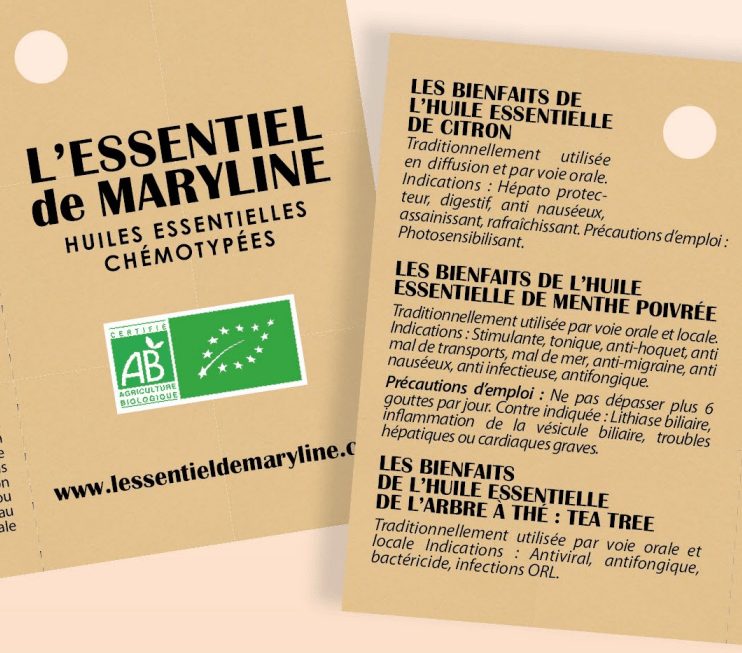
The L’Essentiel de Maryline approach also emphasizes learning how to use essential oils safely, including precautions, contraindications, and appropriate application methods.
Natural skincare should always be safe skincare.
8. Essential Oils and Plants for a Natural Beauty Routine
Essential oils and botanical ingredients can be incorporated into a holistic beauty routine when used correctly.
Rather than treating essential oils as miracle cures, think of them as complementary ingredients that can enhance a personal wellness ritual.
Some essential oils commonly discussed in natural skincare include:
- Lavender
- Frankincense
- Tea tree
- Geranium
- Roman chamomile
However, suitability depends on the individual, the concentration, the method of application, and other factors.
Pregnant women, children, people with allergies, individuals taking certain medications, and people with specific medical or skin conditions may need additional precautions.
Always prioritize safety over trends.
Natural Health Expert
Author of 3 Health Books
More than 20 Years of Professional Experience
University Diplomas in Aromatherapy, Phytotherapy, Nutrition and Aging
Founder of a Qualiopi-Certified Training Organisation.